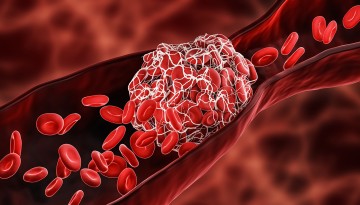
Women are at higher risk of death when undergoing heart bypass surgery than men, and researchers have determined that this disparity is mediated, to a large extent, by the loss of red blood cells during surgery.
Investigators at Weill Cornell Medicine have assembled the most comprehensive atlas to date of messenger RNA variants in the mouse and human brain, helping neuroscientists understand how the brain develops and functions.
A clinical trial led by Weill Cornell Medicine investigators showed that a nasal spray that patients administer at home, without a physician, successfully and safely treated recurrent episodes of a condition that causes rapid abnormal heart rhythms.
Weill Cornell Medicine scientists have developed an innovative human neuron model that robustly simulates the spread of tau protein aggregates in the brain – a process that drives cognitive decline in Alzheimer’s disease and frontotemporal dementia.
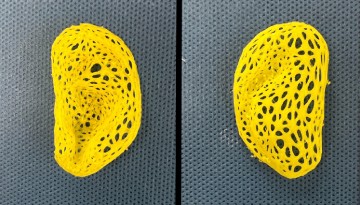
Using state-of-the-art tissue engineering techniques and a 3D printer, researchers at Weill Cornell Medicine and Cornell Engineering have assembled a replica of an adult human ear that looks and feels natural.
NPR media correspondent David Folkenflik ’91, the Zubrow Distinguished Visiting Journalist in the College of Arts & Sciences, led a discussion with Cornell faculty March 26 New York City.
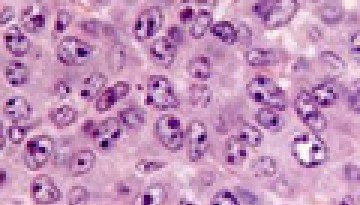
A team led by researchers at Weill Cornell Medicine has identified important drivers of the transformation of follicular lymphoma, a type of blood cancer, from a slow-growing form to the aggressive form it takes in some patients.
Researchers have discovered a protein called SEL1L that plays a critical role in clearing collagen from tissue, and which may be a therapeutic target to help prevent fibrosis, scar tissue that interferes with organ function.
Individuals with physical health concerns made up the largest and fastest growing of five subgroups of individuals who died by suicide in the United States over roughly 20 years, researchers from Weill Cornell Medicine and other institutions found.