The Siegel PiTech PhD Impact Fellowship supports Cornell Tech PhD students in technical fields to conduct 12-week summer externships with nonprofit and public sector organizations across NYC. Students immerse themselves in…
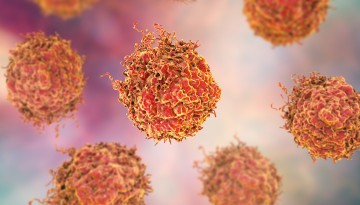
Non-cancerous cells called stromal cells, which are found in and around prostate tumors, may be useful in assessing these tumors’ potential to spread, and may even be targets for future prostate cancer treatments, according to a study led by researchers at Weill Cornell Medicine.
A new study found that patients with non-small cell lung cancer treated with a combination of low-dose radiation and immunotherapy had higher progression-free survival compared to patients who received immunotherapy alone.
A consortium aiming to make New York a global leader in artificial intelligence would help Cornell play a role in shaping the future of AI, promote responsible research and development, create jobs and unlock opportunities focused on public good.
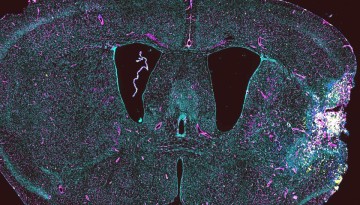
Researchers at Weill Cornell Medicine have catalogued the cellular response to stroke in a preclinical model, identifying the immune cells involved and the roles they may play in the days and weeks following a stroke.
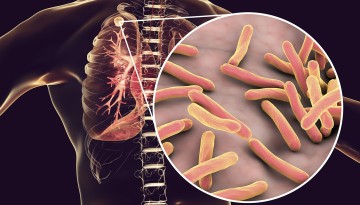
Weill Cornell Medicine researchers and the TB Drug Accelerator have received two grants totaling $6.8 million from the Bill & Melinda Gates Foundation to study tuberculosis drug development.
A new study reveals that beyond providing a convenient way to store DNA in a tight space, the 3D organization of noncoding gene regulators in chromatin contributes to the control of key cell identity programs in early embryonic development.
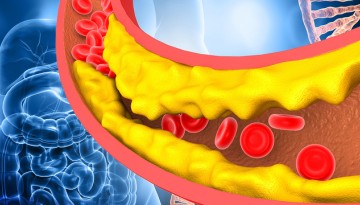
A preclinical study has shown that colorectal pre-cancerous lesions known as serrated polyps, and the aggressive tumors that develop from them, depend on the ramped-up production of cholesterol, which points to the possibility of using cholesterol-lowering drugs to prevent or treat such tumors.
A clinical trial led by researchers at Weill Cornell Medicine and NewYork-Presbyterian found remaining on the anti-obesity drug tirzepatide promoted additional weight loss and preserved improvements in metabolic and cardiovascular health.