Researchers from Weill Cornell Medicine have provided the first national estimate of caregivers’ pain and arthritis experiences that can limit their ability to perform necessary tasks while caring for older family members.
Cathy Garzio, a distinguished academic medicine administrator, has been appointed executive vice provost and chief operating officer of Weill Cornell Medicine, effective early February.
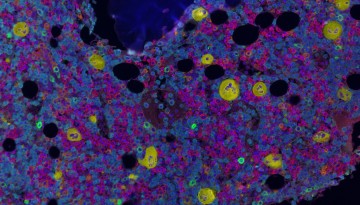
A team at Weill Cornell Medicine has mapped the location and spatial features of blood-forming cells within human bone marrow, confirming hypotheses about the anatomy of this tissue and providing a powerful new means to study diseases that affect bone marrow.
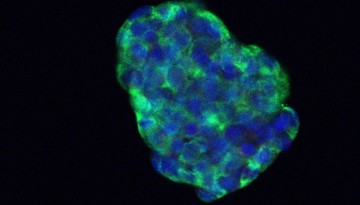
A drug currently in clinical trials as a cancer therapy can also stimulate pancreatic beta cells to secrete insulin, revealing a previously unknown mechanism for insulin regulation in Type 2 diabetes, according to a new study by Weill Cornell Medicine investigators.
Researchers at Weill Cornell Medicine have uncovered a novel route to stimulate the growth of healthy insulin-producing pancreatic beta cells in a preclinical model of diabetes. The findings hold promise for future therapeutics that will improve the lives of individuals with Type 2 diabetes – a condition that affects more than 500 million people worldwide.
Researchers at Weill Cornell Medicine have demonstrated how amyloid beta, a peptide associated with Alzheimer’s disease, can interact with a protein receptor on immune cells in the brain. This triggers a reaction that damages blood vessels and causes neurodegeneration.
Receiving a clot-busting drug in an ambulance-based mobile stroke unit increases the likelihood of averting strokes and complete recovery compared with standard hospital emergency care, a new study shows.
Research findings suggest that women who took hormones in midlife to treat their menopause symptoms were less likely to develop dementia than those who hadn’t taken estrogen.