A specific toxin-producing gut bacteria may be responsible for both triggering the onset of multiple sclerosis (MS) and ongoing disease activity, according to a new study led by a team of researchers at Weill Cornell Medicine and NewYork-Presbyterian.
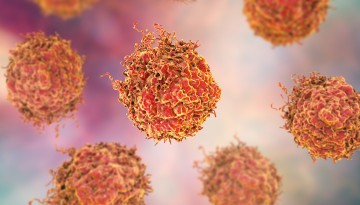
Ekta Khurana, associate professor of physiology and biophysics at Weill Cornell Medicine, has received a three-year, $1.2 million grant from the United States Department of Defense to investigate how prostate cancer cells evolve to become resistant to hormone-blocking therapy.
Multiple types of beta cells produce insulin in the pancreas, helping to balance blood sugar levels. Losing a particularly productive type of beta cell may contribute to the development of diabetes, according to a new study by Weill Cornell Medicine investigators.
Obesity may spur DNA damage in the breast tissue of women who carry BRCA1 or BRCA2 mutations, possibly contributing to breast cancer development in this already high-risk group, according to new multi-institutional translational research led by Weill Cornell Medicine scientists.
The documentary, which will debut nationwide on PBS March 21, illustrates the full scope of his career set against the backdrop of his final years of service presiding over the nation’s response to the COVID-19 pandemic.
Graduating medical students in the Weill Cornell Medical College Class of 2023 learned on national Match Day where they will be doing their internship and residency training – setting the stage for the next several years of their medical careers and lives.
Financial disruption as a result of pandemic containment policies in the United States adversely influenced children’s mental health, according to a new study co-led by Weill Cornell Medicine and Columbia University investigators.
The activity of a gene called CIART is a key factor in the establishment of the viral infection that causes COVID-19, according to a study from researchers at Weill Cornell Medicine and New York University Grossman School of Medicine.
Weill Cornell Medicine investigators have developed a technique to help surgeons reconstruct more natural-looking nipples for patients who have undergone breast reconstruction after mastectomy to treat breast cancer.