A Medicare system that is meant to assess and incentivize health care quality with pay adjustments may not be working as intended, according to a study from researchers at Weill Cornell Medicine.
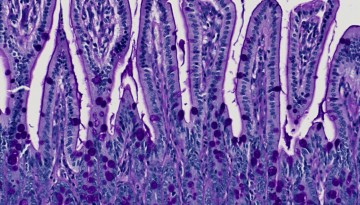
Changes in a single gene open the door for harmful gut bacteria to set off the inflammation that drives Crohn’s disease, according to a new study led by Weill Cornell Medicine and NewYork-Presbyterian investigators.
Researchers from Weill Cornell Medicine and colleagues found that two-dose vaccines still provide protection against lung disease in rhesus macaques a year after they had been vaccinated as infants.
A gene linked to autism spectrum disorders plays a critical role in early brain development and may shape the formation of nerve connections in the brain.
The Cornell Board of Trustees and Weill Cornell Medicine Board of Fellows have approved the appointment of Dr. Francis Lee as interim dean of Weill Cornell Medicine and interim provost for medical affairs.
New research offers insight as to why individuals who inherit a mutation in one copy of the BRCA1 gene often develop mutations in their remaining normal copy of the BRCA1 gene, setting the stage for tumors to develop.