Cornell Tech researchers have developed a mechanism for preserving anonymity in encrypted messaging – which conceals message content but might not cloak the sender’s identity – while simultaneously blocking unwanted or abusive messages.
This is the largest federal grant ever awarded to Weill Cornell Medicine and the fourth consecutive time this initiative has been funded by the NIH, representing 20 years of continuous funding.
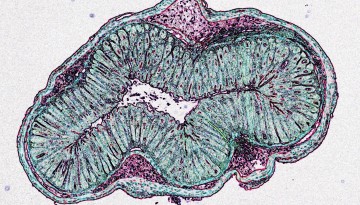
Immune cells called group 3 innate lymphoid cells play an essential role in establishing tolerance to symbiotic microbes that dwell in the human gastrointestinal tract, according to a study led by researchers at Weill Cornell Medicine.
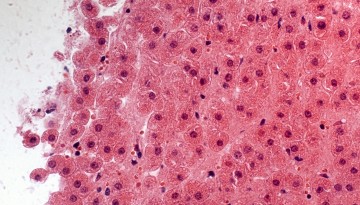
A new study from Weill Cornell Medicine researchers helps to explain the dynamics underlying liver damage that can accompany type 2 diabetes and obesity.
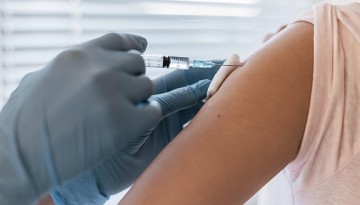
Vaccination with a SARS-CoV-2 mRNA vaccine revealed HIV hiding in immune cells in blood from people with HIV, according to lab research led by Weill Cornell Medicine investigators.
Researchers studying carbon removal and storage methods and novel additive manufacturing techniques are among the six Cornell faculty members who recently received National Science Foundation Faculty Early Career Development Awards.
A new analysis shows that a combination of two anti-platelets drugs can benefit patients after the most common type of cardiac surgery – while also increasing the risk of potentially dangerous bleeding.
Students in the Milstein Program in Technology & Humanity spent eight weeks this summer exploring New York City and thinking deeply about the implications of technology.