By linking a national vascular registry with medical data records in Medicare claims for patients who underwent endovascular abdominal aortic aneurysm repair, a team of researchers from across the country was able to identify which devices posed the most risk for reintervention.
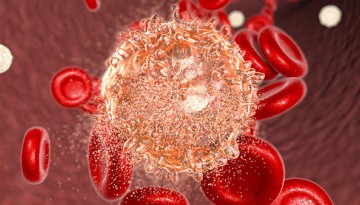
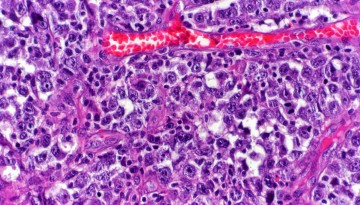
Endothelial cells – the cells that line blood vessels – grown alongside leukemia cells become corrupted and rescue the cancer cells from many chemotherapy drugs, a study by Weill Cornell Medicine investigators found.
Students participating in this year's City and Regional Planning fall field trip to sites across New York City considered the many ways climate change impacts urban environments — physically, economically, socially, and environmentally — as well as disparities in resources dedicated to adaptation in different parts of the city.
Neurons that sense pain protect the gut from inflammation and associated tissue damage by regulating the microbial community living in the intestines, according to a study from researchers at Weill Cornell Medicine.
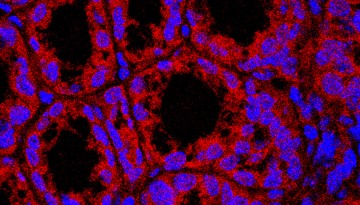
A mitochondrial gene plays a crucial role in genetic susceptibility to Zika, Dengue and SARS-CoV-2 infections, according to a new study by Weill Cornell Medicine investigators.
A new leadership position in the Office of the Vice President for Research and Innovation (OVPRI) is among the steps announced Oct. 13 to sustain successful strategies and initiatives in support of collaborative, interdisciplinary research.
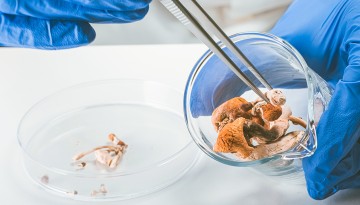
The psychedelic drugs LSD and psilocybin activate serotonin receptors on brain cells in a way that reduces the energy needed for the brain to switch between different activity states, according to a study led by Weill Cornell Medicine researchers.
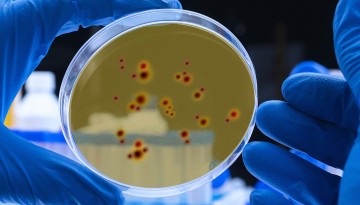
The presence of some fungal species in tumors predicts – and may even help drive – worse cancer outcomes, according to a study from Weill Cornell Medicine and Duke University researchers.