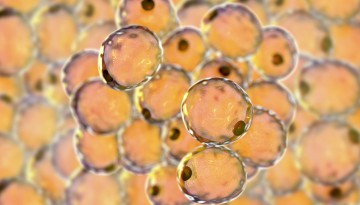
Disruption of the circadian clocks that keep the body and its cells entrained to the 24-hour day-night cycle plays a critical role in weight gain, according to a pair of studies by Weill Cornell Medicine investigators.
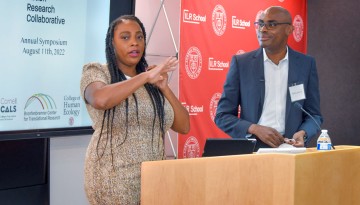
Members of Cornell’s Action Research Collaborative joined representatives from New York City agencies at a symposium Aug. 11 to discuss innovative new solutions aimed at dismantling the systemic racism that has led to inequities around food, nutrition, education, health and employment.
Wolchok, an internationally acclaimed medical oncologist, will lead a clinical enterprise dedicated to translating groundbreaking discoveries on the underlying causes of cancer into cutting-edge treatment approaches and personalized therapies to improve patient outcomes.
Antibodies that summon white blood cells may play an important role in protecting infants from congenital infection with human cytomegalovirus, according to a study led by an investigator at Weill Cornell Medicine and NewYork-Presbyterian.
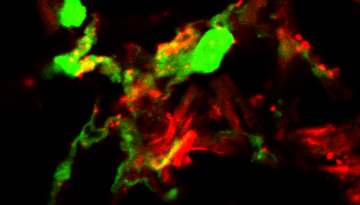
Small proteins that direct immune cells toward sites of infection can also form DNA-bound nanoparticles that can induce chronic, dysfunctional immune responses, according to a new study.
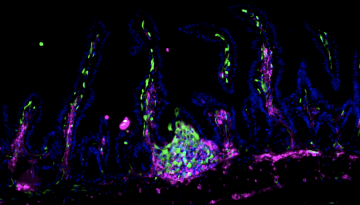
A protein called Zbtb46, expressed by specialized immune cells, has a major role in protecting the gastrointestinal tract from excessive inflammation, according to a study from researchers at Weill Cornell Medicine.