President Martha E. Pollack and Vice Provost for International Affairs Wendy Wolford thanked students, faculty and staff for the outpouring of support for Cornell’s international students.
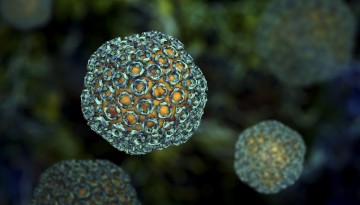
A single protein derived from a common strain of bacteria found in the soil will offer scientists a more precise way to edit RNA, according to new Cornell food science research.
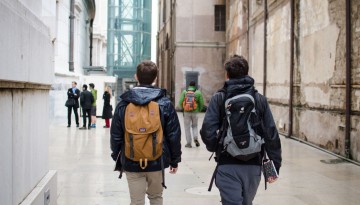
International students unable to return to New York this fall have the option to live and learn on-site at more than a dozen academic partner institutions worldwide while taking Cornell classes remotely.
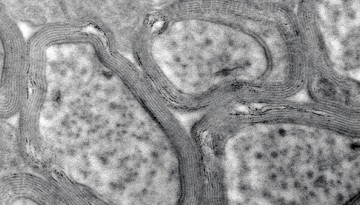
Fenghua Hu is researching factors that cause Alzheimer’s and similar diseases. Her new study shows the role that one particular gene plays in protecting the central nervous system via the formation and maintenance of the myelin sheath.
A collaboration between eCornell and the nonprofit National Education Equity Lab is giving high school students in underserved communities the opportunity to develop skills in business analytics while gaining the confidence to recognize they can excel in college.
The Cornell Law School First Amendment Clinic, working on behalf of its client, The New York Times, helped secure the release by the Center for Disease Control of previously unseen data that provides the most detailed look yet at nearly 1.5 million American coronavirus patients.
President Pollack and Provost Kotlikoff announced new measures to address the predicted budget deficit, including increasing the endowment payout rate and shifting philanthropy efforts from endowment to current use.
A team of Cornell researchers used AI to investigate what sets originals apart from their reflections, and their algorithms learned to pick up unexpected clues.