Using a deep learning computer model and dashcam images from New York City rideshare drivers, Cornell Tech researchers were able to see which neighborhoods had the highest numbers of New York Police Department marked vehicles.
Weill Cornell Medicine and Columbia University have been awarded a five-year, $9.8 million grant from the National Cancer Institute to help combat cancer disparities fueled by persistent poverty.
An atlas that catalogues gene activity and the levels of small molecules called metabolites in tumor samples offers a new way of identifying the deep mechanisms of cancer.
Faculty in Cornell’s Action Research Collaborative (ARC) joined New York City and State policymakers and community members for ARC’s second symposium on June 22. The annual symposium is an opportunity for researchers, policymakers and community stakeholders to share their knowledge and advance equity in areas like nutrition and health, housing and social services, and youth development.
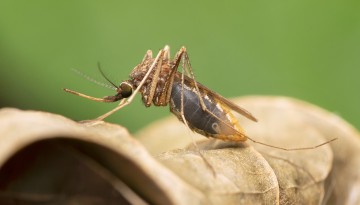
New findings about a developmental step in the lifecycle of malaria parasites may help scientists develop new ways to prevent the disease from spreading.
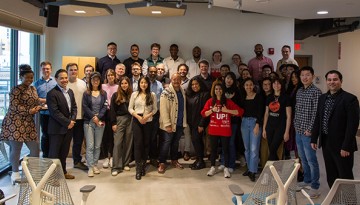
The Samuel Curtis Johnson Graduate School of Management unveiled the diverse group of 25 startups that make up the 2023 Johnson Summer Startup Accelerator (JSSA), the program's largest cohort to date.
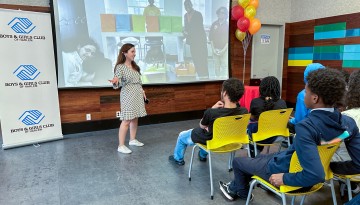
With a bit of funding, high school students not only helped their neighbors but also offered researchers insights into how young people think about their capacity to make a difference.
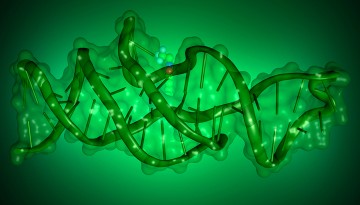
DNA can mimic protein functions by folding into elaborate, three-dimensional structures, according to a study from researchers at Weill Cornell Medicine and the National Heart, Lung, and Blood Institute, part of the National Institutes of Health.
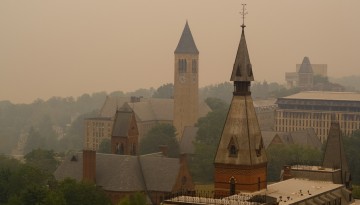
Smoke particulates from wildfires could lead to between 4,000 and 9,000 premature deaths and cost $36 to $82 billion per year in the U.S., according to research by Cornell and a university in China.