A new study investigated whether the structure of the 340B Drug Pricing Program inhibits the use of biosimilar medications, which are medically equivalent but not identical to original biologic drugs due to production differences.
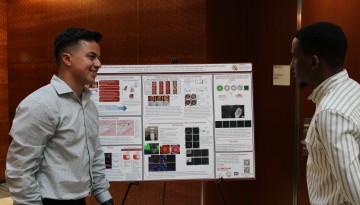
The “Biomedical Engineering Symposium: Tools to Transform Discovery and Care,” brought together dozens of engineers, scientists and practitioners from across Cornell to share research and foster collaborations, with the goal of building the foundation for new, cutting-edge medical treatments and devices.
Cornell is one of four higher-education institutions in a new $12 million partnership with Google aimed at establishing New York City as the world leader in cybersecurity.
Shawon Debnath, a research associate in pathology and laboratory medicine at Weill Cornell Medicine, has been honored with a 2023 Tri-Institutional Breakout Award for Junior Investigators.
Recent uncertainties regarding the legal status of the DACA program underscore the urgency for policymakers to reassess long-standing restrictions on government-sponsored health care subsidies for immigrants.
Dr. Robert A. Harrington, a cardiologist and chair of the Department of Medicine at Stanford University, has been named the Stephen and Suzanne Weiss Dean of Weill Cornell Medicine and provost for medical affairs of Cornell University.
At its May 26 annual meeting, the Cornell Board of Trustees elected three new trustees to four-year terms; they join two recently elected alumni trustees, and a new student-elected trustee.
On the final night of this year's Westminster Kennel Club Dog Show, the Riney Canine Health Center was recognized with a $10,000 gift from show sponsor Embark Veterinary, Inc. to support their work advancing studies that have the potential to improve the overall health and well-being of dogs’ lives.