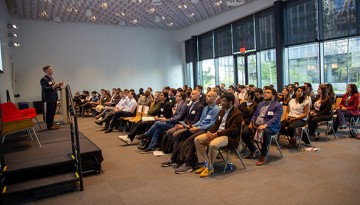
Big Red Ventures (BRV), Cornell’s early-stage venture capital fund, showcased the student-run portfolio and highlighted 2022-23 investments during the Annual Meeting on April 20 at Cornell Tech.
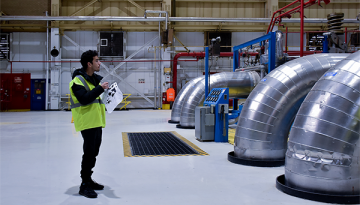
How do you solve a problem like a massive decommissioned nuclear power plant only 35 miles north of New York City with no clear future use? This semester, an architecture option studio at the Cornell Gensler Family AAP NYC Center is tackling this very question, imagining an evolution for the facility rather than a demolition.
The first-year class of students in the Milstein Program in Technology and Humanity are finishing up their community projects and looking forward to their summer in New York City.
The Yang-Tan WorkABILITY Incubator, recently launched through the ILR School’s Center for Applied Research on Work, will support innovative applied research projects and collaborations.
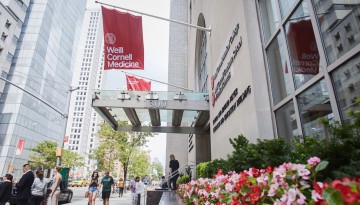
Targeting part of a key antiviral pathway may one day offer a new therapeutic approach to deterring or delaying cognitive decline, according to preclinical research led by Weill Cornell Medicine scientists.
A treatment combining two antibodies against the coronavirus SARS-CoV-2 strongly protected high-risk people with early COVID-19 symptoms from hospitalization and death in an international Phase 2/3 clinical trial.
The Cornell Center for Health Equity has launched its racial allyship training course, providing anyone who wants to learn to be a better ally with essential skills and tools they can use in their personal and professional lives.