The blood stem cell mutation, known as DNMT3A R882, leads to the growth of a large population of circulating blood cells that also contain this mutation.
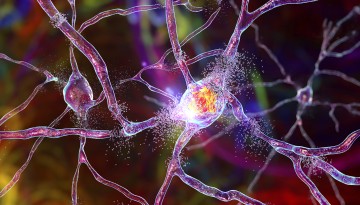
Aggregates of a protein spread in the brains of people with Parkinson’s disease through a cellular waste-ejection process, suggests a new study led by Weill Cornell Medicine researchers.
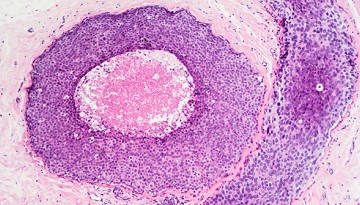
Weill Cornell Medicine investigators have identified definitive biological links between African ancestry and disease processes that affect an aggressive cancer type called triple-negative breast cancer.
As part of a pilot collaboration between AAP and Cornell Tech, colleagues came together across disciplines to explore innovative ways of teaching and designing. Now, they are poised to take their ideas even further.
Cornell Tech researchers have developed a mechanism for preserving anonymity in encrypted messaging – which conceals message content but might not cloak the sender’s identity – while simultaneously blocking unwanted or abusive messages.
This is the largest federal grant ever awarded to Weill Cornell Medicine and the fourth consecutive time this initiative has been funded by the NIH, representing 20 years of continuous funding.
An ambitious and innovative new initiative expands opportunities for faculty, alumni and students across the university to engage with 20 partner universities in 11 locations, while also welcoming international students here.