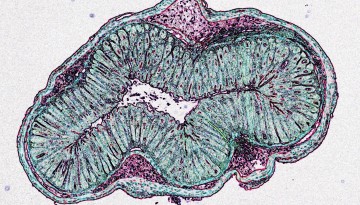
Immune cells called group 3 innate lymphoid cells play an essential role in establishing tolerance to symbiotic microbes that dwell in the human gastrointestinal tract, according to a study led by researchers at Weill Cornell Medicine.
An acclaimed historian of the Caribbean and a multidisciplinary professor of the built environment have been appointed the newest A.D. White Professors-at-Large. Three full visits and three “mini” visits are planned for this semester.
Silvia Ferrari, the John Brancaccio Professor of Mechanical and Aerospace Engineering, will serve as the inaugural associate dean for cross-campus engineering research, reporting to the deans of Cornell Tech and Cornell Engineering.
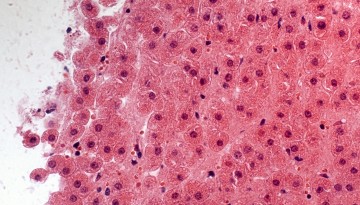
A new study from Weill Cornell Medicine researchers helps to explain the dynamics underlying liver damage that can accompany type 2 diabetes and obesity.
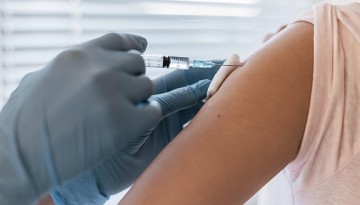
Vaccination with a SARS-CoV-2 mRNA vaccine revealed HIV hiding in immune cells in blood from people with HIV, according to lab research led by Weill Cornell Medicine investigators.
The Presidential Advisors on Diversity and Equity have awarded three Belonging at Cornell innovation grants for 2022 programming, for projects addressing a range of topics involving diversity, equity and inclusion on all of Cornell’s campuses.
Krystyn J. Van Vliet, currently associate provost and associate vice president for research at the Massachusetts Institute of Technology, will join Cornell in 2023 as vice president for research and innovation.
Researchers studying carbon removal and storage methods and novel additive manufacturing techniques are among the six Cornell faculty members who recently received National Science Foundation Faculty Early Career Development Awards.
A new analysis shows that a combination of two anti-platelets drugs can benefit patients after the most common type of cardiac surgery – while also increasing the risk of potentially dangerous bleeding.