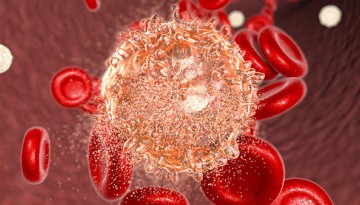
Endothelial cells – the cells that line blood vessels – grown alongside leukemia cells become corrupted and rescue the cancer cells from many chemotherapy drugs, a study by Weill Cornell Medicine investigators found.
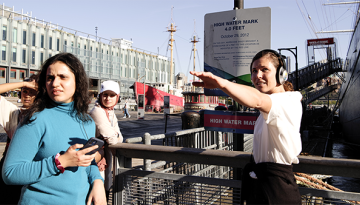
Students participating in this year's City and Regional Planning fall field trip to sites across New York City considered the many ways climate change impacts urban environments — physically, economically, socially, and environmentally — as well as disparities in resources dedicated to adaptation in different parts of the city.
Through a long partnership between Cornell and the DEC, communities in the Hudson watershed have received training, tools and assistance to advance conservation land-use planning and policy.
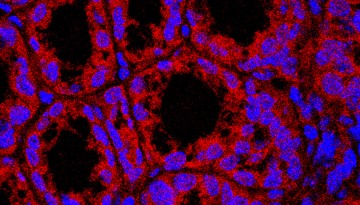
Neurons that sense pain protect the gut from inflammation and associated tissue damage by regulating the microbial community living in the intestines, according to a study from researchers at Weill Cornell Medicine.
Cornell’s aspirations and achievements, the success of its ongoing fundraising campaign and its extraordinary faculty and students were highlights of President Martha E. Pollack’s State of the University address, delivered Oct. 14.
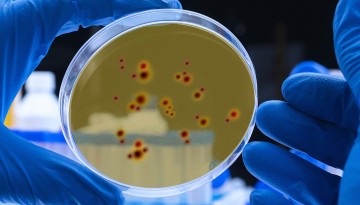
A mitochondrial gene plays a crucial role in genetic susceptibility to Zika, Dengue and SARS-CoV-2 infections, according to a new study by Weill Cornell Medicine investigators.
A new leadership position in the Office of the Vice President for Research and Innovation (OVPRI) is among the steps announced Oct. 13 to sustain successful strategies and initiatives in support of collaborative, interdisciplinary research.
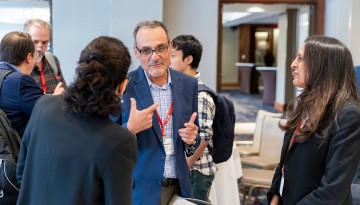
More than 70 faculty from Weill Cornell Medicine, Cornell Engineering and Cornell Tech assembled Oct. 1 at the Statler Ballroom — and more joined remotely — to kick off the Cornell Engineering Innovations in Medicine initiative.