An analysis of newly released census data by the Cornell Program on Applied Demographics shows how the pandemic’s onset influenced populations in each New York state county.
Using cutting-edge techniques, researchers from Weill Cornell Medicine and Memorial Sloan Kettering Cancer Center have visualized the structure of a receptor targeted by an anti-cancer immunotherapy. The finding may help scientists improve this type of cancer treatment.
New research shows that if YouTube wants to truly impact channels that distribute problematic content, it should develop a shared database of demonetized users with Patreon and Twitch to prevent them from using each other’s platforms.
From agriculture to AI to healthcare, Cornell Tech alumni are driving social change. Read about three recent graduates who showcase a few of the creative ways alumni are using their Cornell Tech degree.
Artificial Intelligence, Design + Technology and Quantum Science and Technology will become part of “Radical Collaboration Drives Discovery,” bringing to 10 the number of initiatives in the provost office’s five-year-old program.
Students in the Weill Cornell Medical College Class of 2022 learned on national Match Day where they will be doing their internship and residency training – setting the stage for the next several years of their medical careers and lives.
Individual Candida albicans yeast strains in the human gut are as different from each other as the humans that carry them, and some C. albicans strains may damage the gut of patients with inflammatory bowel disease, according to a new study from researchers at Weill Cornell Medicine.
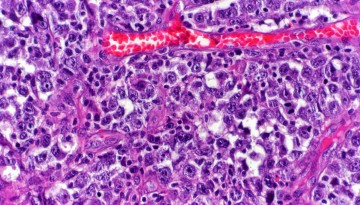
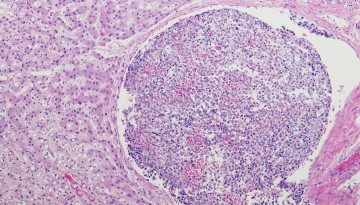
Tumors can use an enzyme called ART1 to thwart antitumor immune cells, making the enzyme a promising new target for immunity-boosting cancer treatments, according to a study from researchers at Weill Cornell Medicine and Albert Einstein College of Medicine.
Most patients with severe COVID who are put on ventilators regain consciousness after removal of respiratory support, but recovery may take weeks after the period of mechanical ventilation has ended, according to a new study.