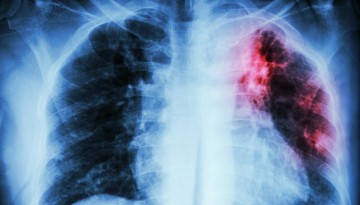
Weill Cornell Medicine researchers have identified a protein in Mycobacterium tuberculosis that contributes to drug tolerance, a phenomenon that allows bacteria to survive treatment with drugs that would normally kill them.
The Anti-Racism Curriculum Committee at Weill Cornell Medicine is charged with reinvigorating the curriculum to ensure that medical students gain a firm understanding of how social, economic and policy factors influence health outcomes.
The gift will designate the College Scholar Program as the Robert S. Harrison College Scholar Program, expanding support and funding for student research and summer experiences, creating new connections to Cornell’s New York City campuses and increasing scholarship funds available to undergraduates in A&S.
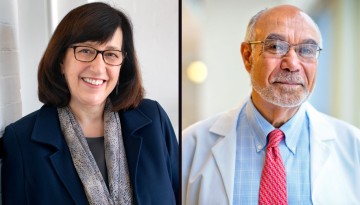
President Martha E. Pollack and Dr. Jean William Pape, M.D. ’75, professor in clinical medicine at Weill Cornell Medicine, have been elected to the American Academy of Arts and Sciences.
Cornell Tech researchers have developed a mixed-reality driving simulator system that could lower the cost of testing vehicle systems and interfaces, such as the turn signal and dashboard.
Cornell University is partnering with industry executives and brand visionaries from across the globe to launch a new Omnichannel Leadership Immersion Program that will empower and train leaders to build high-performing, seamless customer journeys.
A multi-year study of the role of E. coligut bacteria in Crohn’s disease finds that intestinal inflammation liberates chemicals that nourish the bacteria’s growth and promotes their ability to cause inflammation.
Adult vaccination rates and social determinants of health – the social and economic conditions in which families live and work – have played an important role in children’s mental health during the pandemic, according to a new study led by Weill Cornell Medicine investigators.