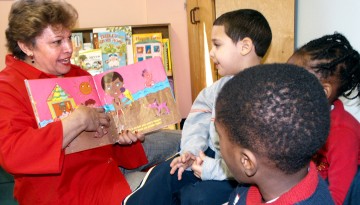
Through a partnership with Cornell Cooperative Extension, New York City’s Department for the Aging will provide child development training to volunteers in its Foster Grandparent Program.
Their projects served communities across New York, from improving soil at community farms in New York City to developing an anti-racism curriculum for Hudson Valley teens.
Researchers from Weill Cornell Medicine sampled gut bacteria from healthy fecal microbiota transplantation donors and from recipients with ulcerative colitis, identifying the bacterial strains that correlates with effective treatment.
A recent study brought together Cornell students and faculty and New York City teenagers to explore how nutrition education can improve nutrition and promote positive youth development in places with little or no access to healthy, affordable food.
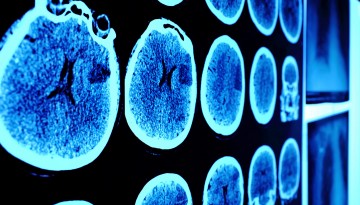
A team of researchers has profiled in unprecedented detail thousands of individual cells sampled from patients’ brain tumors. The findings, along with the methods developed to obtain those findings, represent a significant advance in cancer research.
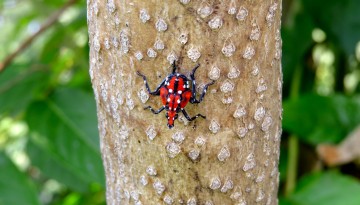
Thanks to grant funding from the USDA, the New York State Integrated Pest Management program is developing new virtual courses to help schools implement plans to manage pests such as rodents, head lice, bed bugs or yellow jackets.
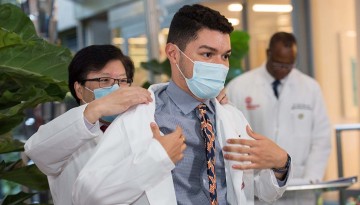
On Sept. 24, after a year highlighted by so many virtual events, the Class of 2024 finally celebrated their medical school journey with a White Coat Ceremony – hosted in-person.
Regional knowledge economies such as Silicon Valley and New York City are one of several areas of research for the Center for the Study of Economy and Society's Economic Sociology Lab, supported by graduate researchers and undergraduate assistants.
The fourth episode of a podcast hosted by Entrepreneurship at Cornell, Startup Cornell, features Jamie Kim ’19, founder and CEO of Jamie’s Farm, a company that inspires change in the way we eat on a daily basis through the humble form of granola