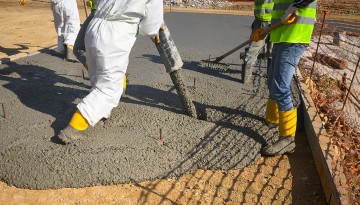
Greeshma Gadikota, associate professor of engineering, has gathered a team to help capture carbon dioxide in the concrete-making process as they aim to create low-carbon construction materials from it.
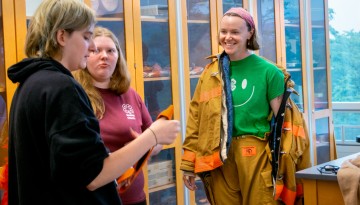
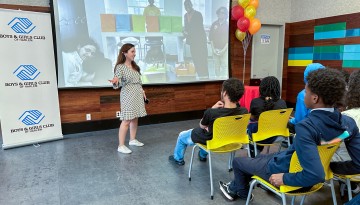
The annual 4-H Career Explorations Conference – where 4-H members attend courses designed by various Cornell units and experience living on a college campus – welcomed nearly 250 young people from across New York state to Cornell June 27-29.
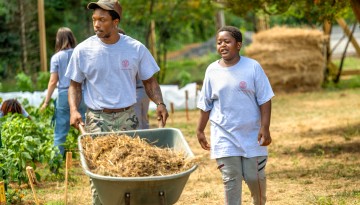
With a bit of funding, high school students not only helped their neighbors but also offered researchers insights into how young people think about their capacity to make a difference.
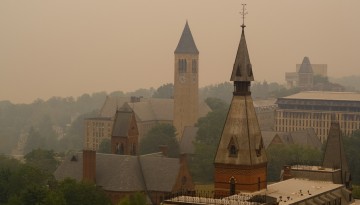
Smoke particulates from wildfires could lead to between 4,000 and 9,000 premature deaths and cost $36 to $82 billion per year in the U.S., according to research by Cornell and a university in China.
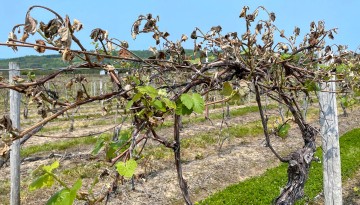
Following a mid-May freeze, two Cornell viticulture experts are advising grape growers in New York on how to rescue their season, as vineyards now face a reduced crop and economic loss.
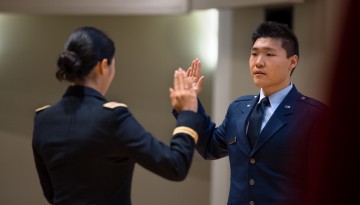
Graduating members of the Tri-Service Brigade received commissions to begin their military service – including the brigade’s first commission into the U.S. Space Force – at a May 26 ceremony in Statler Auditorium.
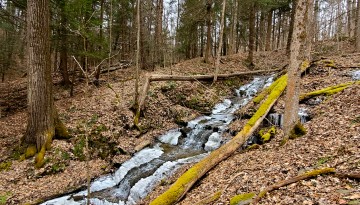
Cornell Botanic Gardens has acquired 81 acres adjacent to the Fischer Old-growth Forest natural area in Newfield, New York, to further protect some of the county’s most mature trees – some of them 300 years old.
Cornell’s Center for Regional Economic Advancement has been named a key partner in establishing a Regional Food Business Center to help farmers and food businesses access new markets and available federal, state and local resources.