Using an airplane to detect greenhouse emissions emanating from freshly drilled shale gas wells in Pennsylvania’s Marcellus basin, Cornell and Purdue scientists have found that leaked methane is more of a problem than previously thought.
The new book, “Science Beneath the Surface: A Very Short Guide to the Marcellus Shale,” attempts to offer a reader-friendly, unbiased, scientific guide needed to make well-informed decisions regarding “fracking” in the Marcellus Shale.
Astronaut Mae Jemison, M.D. '81, spoke on campus April 12 at the induction ceremony for the McNair scholars program, which prepares students from disadvantaged backgrounds for doctoral studies through involvement in research and other scholarly activities.
Where once the Colorado River flowed with 5 trillion gallons of water into its verdant delta at the Gulf of California, that gush has trickled to zero. Cornell and Paleontological Research Institution researchers gathered baseline samples to understand the delta’s ecological profile.
Performing Arts for Social Change, a program of the Center for Transformative Action, uses theater to help empower people to express themselves and stage their stories.
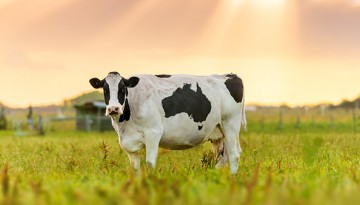
Cornell scientists have created the first vaccines that can prevent metritis, one of the most common cattle diseases. The infection not only harms animals and farmers’ profits but also drives more systemic antibiotic use on dairy farms than any other disease.