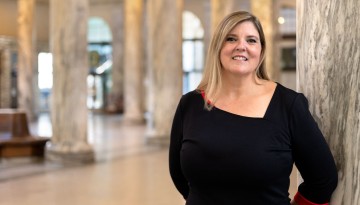
The 10th recipient of the Hometown Alumni Award, Caroline Williams '01 has spent the last 15 years working to improve living conditions in Utica, New York, and her nearby hometown of Remsen.
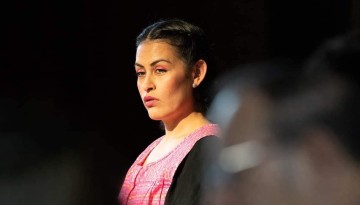
A series of special events, including visits from alumni involved in theatre, film and television, is being planned to celebrate the 30th anniversary of Teatrotaller, a theatre troupe formed to promote Spanish, Latin American and Latino culture.
A free weekly workshop sponsored by Cornell’s Center for Cultural Humility through Oct. 24 highlights the work of upstate New York authors and helps them enhance their writing.
Faculty and staff at Cornell’s Animal Health Diagnostic Center have helped prevent the spread of the devastating disease in New York, keeping the number of cases remarkably low.
The Long Island Horticultural Research and Extension Center on Sept. 22 will celebrate a century of applied research and education supporting the region’s agricultural and horticultural businesses.