In new research, Jamila Michener, associate professor of government, demonstrates how people within racially and economically marginalized communities can, through organizing, build political power in response to poor living conditions.
Cornell scientists have replaced the harsh chemical processing of rare earth elements – used to power electric cars, wind turbines and smartphones – with a benign practice called biosorption.
Diversity of thought regarding gamers’ opinions of games makes for better algorithms that help audiences around the globe pick the right games, according to new research from Cornell, Xbox and Microsoft Research.
An American Heart Association Presidential Advisory, co-authored by Mario Herrero, professor in global development, calls for building on existing research and implementing cross-sector approaches to Food Is Medicine.
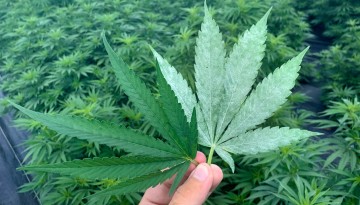
Researchers have discovered a gene in hemp that helps the plant resist powdery mildew, giving the fledgling hemp industry a new tool to combat the prevalent disease.
Researchers tracked the brain’s dopamine reward system and found – for the first time – this system flexibly retunes toward the most important goal when faced with multiple competing needs.
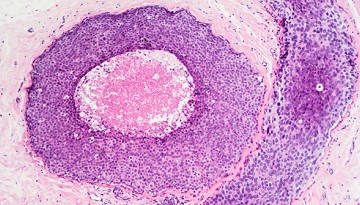
Researchers at Weill Cornell Medicine have found that radiation therapy combined with two types of immunotherapy can control tumors in preclinical models of triple-negative breast cancer, which is typically resistant to immunotherapy alone.
Rachel Dunifon has been appointed to a second term as the Rebecca Q. and James C. Morgan Dean of the College of Human Ecology, Provost Michael I. Kotlikoff announced Sept. 26.