A new study from an ILR School researcher offers a pathway to reducing bias in hiring while preserving managers’ autonomy – by encouraging hiring managers to avoid receiving potentially biasing information about applicants.
Ratings on online platforms can greatly impact high-priced New York City restaurants that service tourists, but have less of an effect on restaurants frequented by “locals” outside of tourist areas, according to new Cornell research.
A project headed by Christine L. Goodale, professor of environmental sciences, and funded by the Department of Energy will contribute to understanding of the role the nitrogen cycle plays in estimates of future carbon uptake by the biosphere.
ILR Labor Education Research Director Kate Bronfenbrenner will lead a team of ILRies studying the differences between unionization efforts that are affiliated with the National Labor Relations Board and those that are not NLRB-affiliated.
Cornell University’s Life Sciences Technology Innovation Fellowship, formerly known as the BioEntrepreneurship Initiative, enters its second year in 2023-24 with a new cohort of 15 business students and 12 researchers.
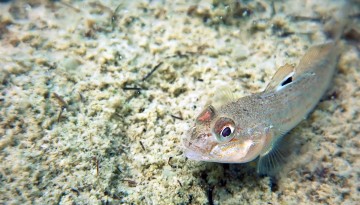
The genetic material that species shed into their environments can reveal the presence of the species and a broad range of information about the genetics of entire populations.
The $1.7 million grant will help scientists with expertise in artificial intelligence and machine learning to address complex biomedical challenges in nutrition and health.
The beneficiaries of “positive bias” due to racial profiling and other types of favoritism are more likely to recognize it and take corrective action if their attention is drawn to the victims of that bias, new Cornell research has found.