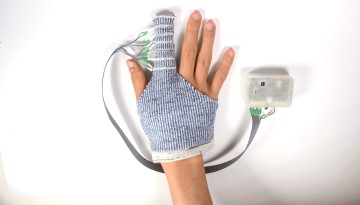
Working with physicians at Weill Cornell Medicine and therapists at the Cayuga Medical Center, Cornell Hybrid Body Lab researchers have devised a knitted wearable technology that can ease discomfort caused by hand edema.
Faculty, students and alumni affiliated with Cornell Law School's Capital Punishment Clinic are leading a legal fight to prevent South Carolina from executing condemned prisoners by methods they argue are cruel and unusual.
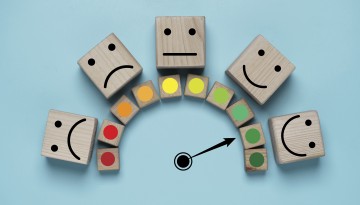
Happiness can’t be bought, but nor does it depend mostly on one’s mindset, as many happiness surveys would suggest, according to a recent study by Cornell psychology researchers.
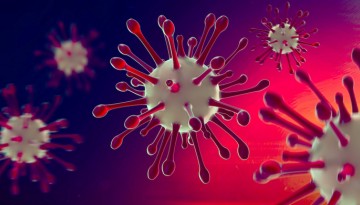
A treatment combining two antibodies against the coronavirus SARS-CoV-2 strongly protected high-risk people with early COVID-19 symptoms from hospitalization and death in an international Phase 2/3 clinical trial.
Joeva Barrow, assistant professor of molecular nutrition in the Division of Nutritional Sciences, has won a 2022 Hartwell Individual Biomedical Research Award, which funds biomedical research to advance children’s health.
In his new book, “Stay Cool: Why Dark Comedy Matters in the Fight Against Climate Change,” history professor Aaron Sachs demonstrates how laughter can give you strength to persevere even when things seem most hopeless.
People today work substantially less than they did generations ago – not just because they have more money, but because of the virtually unlimited trove of cheap entertainment increasingly at their fingertips, according to new economics research.
Strokes cause changes in gene activity in affected small blood vessels in the brain, changes that may be targetable with existing or future drugs to mitigate brain injury or improve stroke recovery, according to Weill Cornell Medicine scientists.
Employees who are not in positions of power can become more creative when given time to “warm up” to a task by engaging in the creative task more than once.