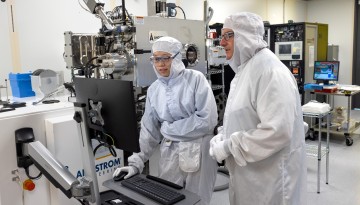
The Cornell NanoScale Science and Technology Facility has enabled scientists and engineers from academia and industry to conduct groundbreaking research, thanks to continuous support from the National Science Foundation. But that funding is now at risk.
As generative AI reshapes how we communicate, work, and make decisions, Angelina Wang is making sure these systems serve everyone — not just a privileged few.
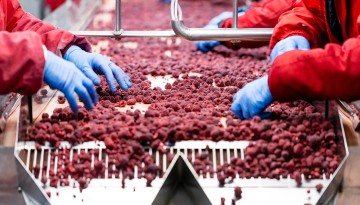
A sweeping new study finds that while traditional farm jobs decline as nations grow wealthier, employment in the broader food industry – from processing plants to restaurants – remains surprisingly steady, offering better wages but also deepening gender pay gaps.
Six Cornell inventors developing projects in robotics, advanced materials, agriculture, biotechnology, AI for medical education and veterinary medicine have been selected for the spring 2025 cycle of the Ignite Innovation Acceleration program.
A new book highlights innovative state and local approaches to eliminating "digital deserts," which persist despite billions in federal subsides promoting universal access.
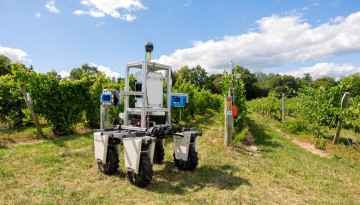
The development of the robot is critical as managing such diseases as powdery and downy mildews in vineyards is the top concern for grape growers and viticulturists.
Viewscore.io can simulate and score occupants' satisfaction with window views, helping designers optimize buildings' facades, floor plans and energy efficiency.