New kinds of job opportunities abound in the cannabis and clean energy industries, and justice-involved people, people with disabilities and others can benefit from improved wages and training, according to the ILR School’s New York at Work report, published Aug. 30.
A fishing vessel suspected of engaging in labor abuses was detained by the South African government on Aug. 3, days after a workshop led by the International Labour Organization in collaboration with the ILR School.
The Presidential Advisors on Diversity and Equity have awarded three Belonging at Cornell innovation grants for 2022 programming, for projects addressing a range of topics involving diversity, equity and inclusion on all of Cornell’s campuses.
New research from the ILR School suggests that people who work in industries with high levels of sexual harassment have a harder time identifying inappropriate workplace behavior.
The most important issues in New York state are the cost of living and crime, according to results of the Empire State Poll, which provides empirical evidence that informs Cornell faculty research across an array of domains.
A new peer mentor program offered by the Office of Academic Diversity Initiatives aims to help first-year or transfer students from underrepresented or underserved groups navigate Cornell, find community and opportunities, and succeed academically.
Hundreds of first-year and transfer students were heaped with advice, encouragement and well-wishes at New Student Convocation, held Aug. 21 at Schoellkopf Field.
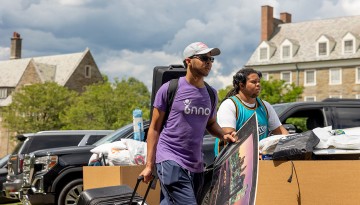
As the residence halls honoring Ruth Bader Ginsburg, Hu Shih and Barbara McClintock opened, resident advisers handed these newest Cornellians their room keys – and their futures.