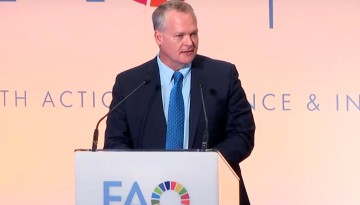
Ideas that sprang from a pre-pandemic panel discussion at Cornell now inform a United Nations initiative aimed to meet looming global food needs in a healthy, equitable and sustainable way.
President Martha E. Pollack announced the faculty members honored with the Stephen H. Weiss Awards, which recognize excellence in undergraduate teaching and mentoring.
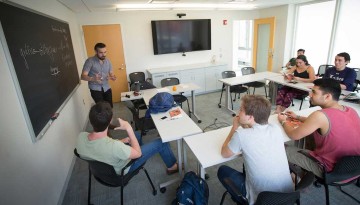
“Understanding the impact of Languages Across the Curriculum on all participants will allow us to build on its success and offer multilingual students more opportunities to engage with their disciplinary content in languages other than English."
Six American Sign Language (ASL) poets and storytellers will visit Cornell between Oct. 12 and Nov. 28, in conjunction with this semester’s ASL Literature course in the Department of Linguistics.
New research finds a generation of federal school reform hasn’t addressed the primary drivers of racial gaps in achievement and attainment: economic inequality and segregated schools.
A series of special events, including visits from alumni involved in theatre, film and television, is being planned to celebrate the 30th anniversary of Teatrotaller, a theatre troupe formed to promote Spanish, Latin American and Latino culture.