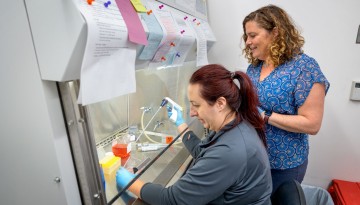
The Adam and Rachel Broder Fund for Cancer Research, which provides seed funding for scientists, is available to any Cornell faculty member. They are administered by the College of Veterinary Medicine, which has a long history of translational cancer research.
A mummified bird – and the research into its historical context and extraordinary afterlife – will be on display in an exhibition that runs Oct. 7-9, from 9 a.m. to 7 p.m., in Upson Hall’s Lounge 116.
A new perspective piece from the College of Veterinary Medicine highlights the vital relationship between wildlife health and the North American Model of Wildlife Conservation.
Faculty and staff at Cornell’s Animal Health Diagnostic Center have helped prevent the spread of the devastating disease in New York, keeping the number of cases remarkably low.
Raymond Craib (A&S) and Nadine Fiani (Veterinary College) have each been honored with the university’s highest award for teaching graduate and professional students.
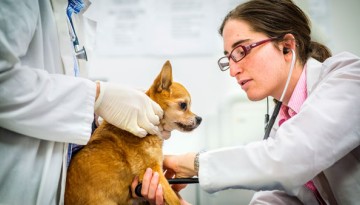
While advancing the understanding of canine diseases, these two-year projects will also explore new avenues for diagnosing chronic pain and develop new models for testing therapies catered to dogs' immune systems.
Paula Cohen, professor of genetics, is pioneering an innovative alternative to the birth control pill: a form of male contraception that targets a mechanism in the early stage of sperm cell production.