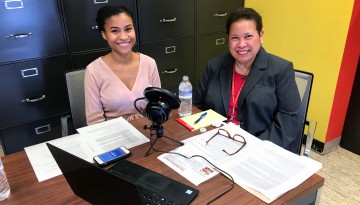
Pauline Flaum-Dunoyer has interviewed more than a dozen women physicians of color, and donated the recordings and transcripts to NewYork-Presbyterian/Weill Cornell Medicine, where their legacies will be preserved for future generations.
Strokes cause changes in gene activity in affected small blood vessels in the brain, changes that may be targetable with existing or future drugs to mitigate brain injury or improve stroke recovery, according to Weill Cornell Medicine scientists.
Members of the Cornell entrepreneurial community gathered to celebrate a successful first year of the BioEntrepreneurship Initiative at the program’s culminating workshop on March 18 in Midtown Manhattan.
Using a biomaterials-based organoid, a multi-institution team led by Matt DeLisa of Cornell Engineering was able to assess the strength of the immune response to a glycoengineered vaccine in days, instead of months.
People with autism spectrum disorder can be classified into four distinct subtypes based on their brain activity and behavior, according to a study from Weill Cornell Medicine investigators.
Ten Graduate School doctoral candidates, joined by one student from the Weill Cornell Graduate School of Medicine, traveled from Ithaca and New York City to Capitol Hill for Cornell Ph.D. Student Advocacy Day on March 29.
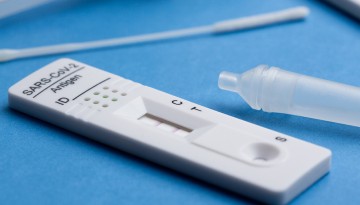
A team has identified an antibody that appears to block infection by all dominant variants of the virus that causes COVID-19, including omicron. Their discovery could lead to more potent vaccines and new antibody-based treatments.