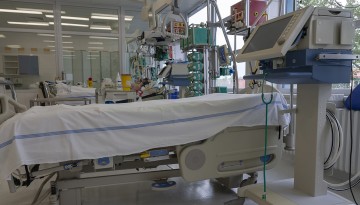
During the COVID-19 pandemic, many U.S. hospitals had overcapacity intensive care units while other area hospitals had open ICU beds available, a phenomenon known as “load imbalance.”
Using an innovative method for measuring doctor turnover, Weill Cornell Medicine researchers determined that between 2010 and 2018, the annual rate at which physicians left their practices increased by 43%, from 5.3% to 7.6% a year.
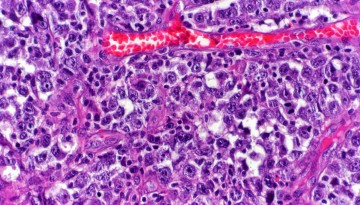
Weill Cornell Medicine and Columbia University have been awarded a five-year, $9.8 million grant from the National Cancer Institute to help combat cancer disparities fueled by persistent poverty.
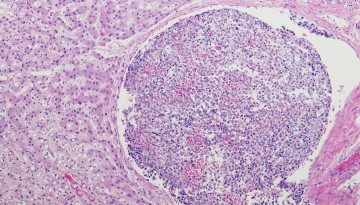
An atlas that catalogues gene activity and the levels of small molecules called metabolites in tumor samples offers a new way of identifying the deep mechanisms of cancer.
A new vaccine distribution model expands the concept of vaccine coverage to include vaccinated person-days, which prioritize both the number of people vaccinated and the speed of getting shots into arms.
New findings about a developmental step in the lifecycle of malaria parasites may help scientists develop new ways to prevent the disease from spreading.
DNA can mimic protein functions by folding into elaborate, three-dimensional structures, according to a study from researchers at Weill Cornell Medicine and the National Heart, Lung, and Blood Institute, part of the National Institutes of Health.
A new study investigated whether the structure of the 340B Drug Pricing Program inhibits the use of biosimilar medications, which are medically equivalent but not identical to original biologic drugs due to production differences.
The “Biomedical Engineering Symposium: Tools to Transform Discovery and Care,” brought together dozens of engineers, scientists and practitioners from across Cornell to share research and foster collaborations, with the goal of building the foundation for new, cutting-edge medical treatments and devices.