Shawon Debnath, a research associate in pathology and laboratory medicine at Weill Cornell Medicine, has been honored with a 2023 Tri-Institutional Breakout Award for Junior Investigators.
Recent uncertainties regarding the legal status of the DACA program underscore the urgency for policymakers to reassess long-standing restrictions on government-sponsored health care subsidies for immigrants.
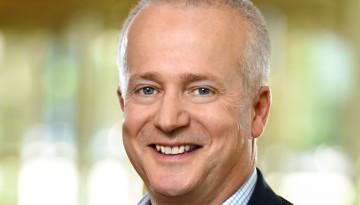
Dr. Robert A. Harrington, a cardiologist and chair of the Department of Medicine at Stanford University, has been named the Stephen and Suzanne Weiss Dean of Weill Cornell Medicine and provost for medical affairs of Cornell University.
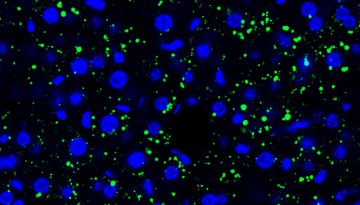
Cancers often release molecules into the bloodstream that pathologically alter the liver, shifting it to an inflammatory state, causing fat buildup and impairing its normal detoxifying functions, according to a study from investigators at Weill Cornell Medicine.
Weill Cornell Medicine has been awarded a five-year, $11.6 million grant from the National Institute on Drug Abuse of the National Institutes of Health to study the effects cannabis, including marijuana and compounds derived from it, may have on the brains of those living with HIV.
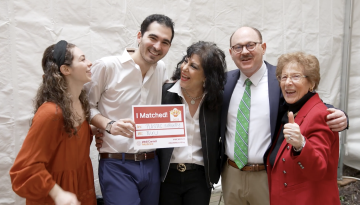
380 graduates in the Class of 2023 received their degrees from Weill Cornell Medicine during the institution’s annual commencement ceremony at Carnegie Hall on May 18.
Weill Cornell Medicine’s debt-reduction program was created in 2019 to cover tuition, fees, housing and living expenses for students with financial need.
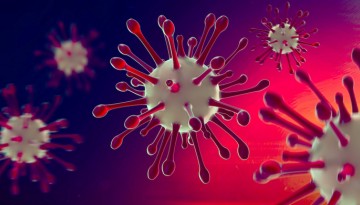
A new study led by Weill Cornell Medicine and NewYork-Presbyterian investigators has found that the risk of long COVID and its symptoms present very differently across diverse populations and suggests that further investigation is needed to accurately define the disease and improve diagnosis and treatment.