Through increased collaboration between Cornell Health and Weill Cornell Medicine, this spring two new partnerships – with another on the way – will enhance and expand services to the Ithaca campus community to better meet the needs of Cornell students.
Ocular drift, a very subtle and seemingly random type of eye movement, can be influenced by prior knowledge of the expected visual target, suggesting a surprising level of cognitive control over the eyes, according to a study led by Weill Cornell Medicine neuroscientists.
Hospitals have begun using “decision support tools” powered by artificial intelligence that can diagnose disease, suggest treatment or predict a surgery’s outcome.
White blood cells called neutrophils have an unappreciated role in eradicating solid tumors, according to a surprise discovery from a team led by Weill Cornell Medicine scientists.
Cornell’s Office of General Counsel, to engage proactively with groups across campuses, is planning a series of four workshops designed to educate Cornell community members on common legal challenges in higher education.
A specific toxin-producing gut bacteria may be responsible for both triggering the onset of multiple sclerosis (MS) and ongoing disease activity, according to a new study led by a team of researchers at Weill Cornell Medicine and NewYork-Presbyterian.
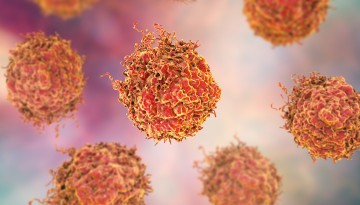
Ekta Khurana, associate professor of physiology and biophysics at Weill Cornell Medicine, has received a three-year, $1.2 million grant from the United States Department of Defense to investigate how prostate cancer cells evolve to become resistant to hormone-blocking therapy.
Multiple types of beta cells produce insulin in the pancreas, helping to balance blood sugar levels. Losing a particularly productive type of beta cell may contribute to the development of diabetes, according to a new study by Weill Cornell Medicine investigators.