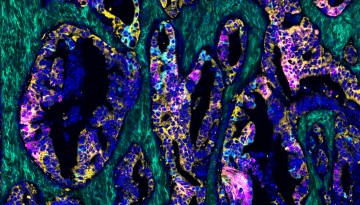
An experimental therapy showed promise as treatment for an aggressively spreading type of colorectal cancer in preclinical models, according to a new study by Weill Cornell Medicine investigators.
A Cornell research team identified barriers to immigrants’ use of online resources that could help them access health and legal benefits, and recommended solutions they incorporated into a new website, Rights for Health.
Weill Cornell Medicine has been awarded a five-year, $7.8 million grant from the National Heart, Lung, and Blood Institute to study whether the antibiotic doxycycline may slow the progression of emphysema in people living with well-controlled HIV.
Acinetobacter pittii (A. pittii), a type of bacteria, is evolving to become more resistant to antibiotics and is finding ways to survive in the harsh environment of the International Space Station, according to new research led by Weill Cornell Medicine scientists.
Cornell is creating unique opportunities for innovation in the rapidly evolving field of structural biology thanks to cutting-edge facilities and support for intercampus collaborations between Cornell's Ithaca campus and Weill Cornell Medicine.
Cole, M.D. ’94, is the assistant vice provost for information services and chief information officer at Weill Cornell Medicine. He will begin his new role Jan. 1, 2023.
A $20 million gift from Andrew H. ’71 and Ann R. Tisch will foster engagement and collaboration between Cornell Tech and Weill Cornell Medicine, catalyzing new discoveries at the intersection of health and technology.
A Medicare system that is meant to assess and incentivize health care quality with pay adjustments may not be working as intended, according to a study from researchers at Weill Cornell Medicine.
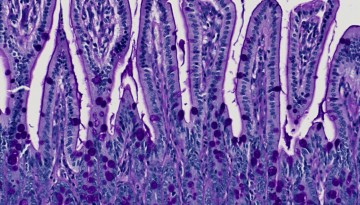
Changes in a single gene open the door for harmful gut bacteria to set off the inflammation that drives Crohn’s disease, according to a new study led by Weill Cornell Medicine and NewYork-Presbyterian investigators.