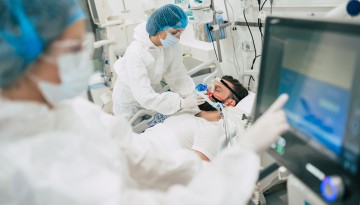
The long delays some COVID patients experience in regaining consciousness after ventilation may protect the brain from oxygen deprivation, new research shows.
With the six-month, $1 million grant, Weill Cornell Medicine researchers will assess how countries have been monitoring and reporting COVID-19 infections and outcomes.
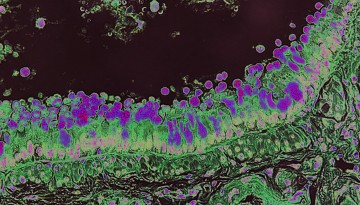
The study suggests that a unique set of regulatory networks controlled by neurons in the gut may be viable targets for future drug therapies to combat chronic inflammatory diseases including asthma, allergy and inflammatory bowel disease.
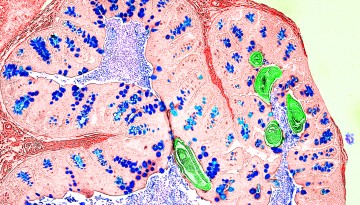
The study found that dietary inulin fiber alters the metabolism of certain gut bacteria, which in turn triggers what scientists call type 2 inflammation in the gut and lungs.
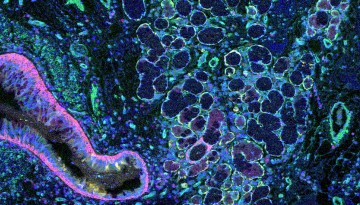
The new approach promises to accelerate studies on organ-scale cellular interactions and could enable powerful new diagnostic strategies for a wide range of diseases.
The Eclectic Convergence conference included talks from six entrepreneurs, business executives and venture capitalists, as well as a pitch competition.
By linking a national vascular registry with medical data records in Medicare claims for patients who underwent endovascular abdominal aortic aneurysm repair, a team of researchers from across the country was able to identify which devices posed the most risk for reintervention.