This is the largest federal grant ever awarded to Weill Cornell Medicine and the fourth consecutive time this initiative has been funded by the NIH, representing 20 years of continuous funding.
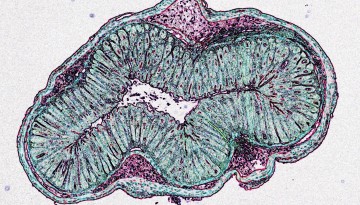
Immune cells called group 3 innate lymphoid cells play an essential role in establishing tolerance to symbiotic microbes that dwell in the human gastrointestinal tract, according to a study led by researchers at Weill Cornell Medicine.
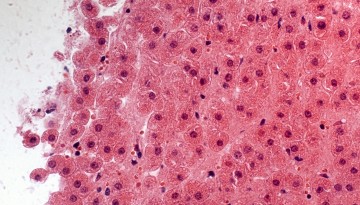
A new study from Weill Cornell Medicine researchers helps to explain the dynamics underlying liver damage that can accompany type 2 diabetes and obesity.
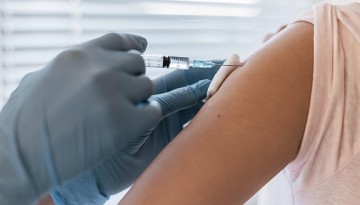
Vaccination with a SARS-CoV-2 mRNA vaccine revealed HIV hiding in immune cells in blood from people with HIV, according to lab research led by Weill Cornell Medicine investigators.
The Presidential Advisors on Diversity and Equity have awarded three Belonging at Cornell innovation grants for 2022 programming, for projects addressing a range of topics involving diversity, equity and inclusion on all of Cornell’s campuses.
A new analysis shows that a combination of two anti-platelets drugs can benefit patients after the most common type of cardiac surgery – while also increasing the risk of potentially dangerous bleeding.
Disruption of the circadian clocks that keep the body and its cells entrained to the 24-hour day-night cycle plays a critical role in weight gain, according to a pair of studies by Weill Cornell Medicine investigators.
On Aug. 16, the Class of 2026 received their short white coats during a Weill Cornell Medicine ceremony, officially marking the beginning of their medical educations.