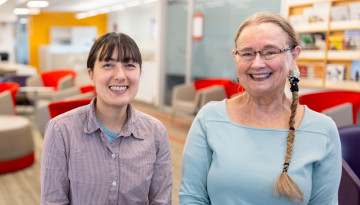
At Cornell, learning isn’t confined to classrooms. It emerges through conversations, relationships, and shared curiosity — and it belongs to everyone. That idea sits at the heart of the Community Learning and Service Partnership (CLASP), a program that connects Cornell students with staff in collaborative, one-on-one learning partnerships.
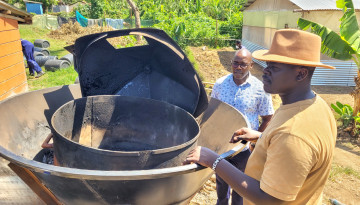
Cornell researchers and Kenyan partners have developed a fertilizer made from human excreta. The product improves soil health and food production, while preventing pollution in informal settlements and the aquatic environment.
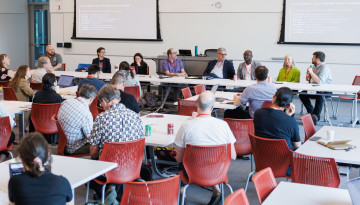
The Graduate Excellence and Impact Awards recognized members of the graduate community for their impacts on advancing access, engagement and belonging through service and leadership.
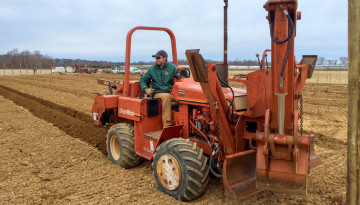
Harbes Farm on Long Island relies on a mutually beneficial collaboration with Cornell researchers, a partnership that has made the family’s three farms key destinations for Long Island agritourism.
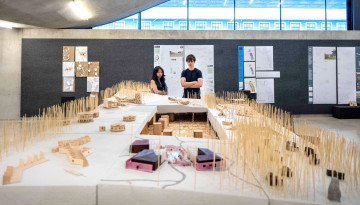
After Camp Owahta’s arts and crafts building burned down last summer, the Cortland County camp’s leadership turned to second-year architecture students for fresh ideas.
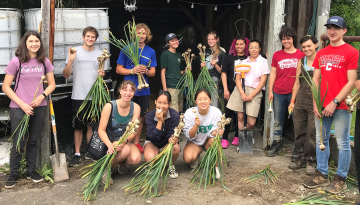
For 30 years Dilmun Hill Student Farm has provided opportunities for growing crops, leadership skills and community. Alumni credit the farm with shaping lives and careers. Read their stories, and what's next for Dilmun.