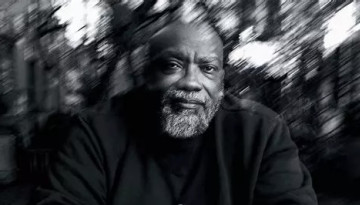
The Black Critical Thought symposium Oct. 2 will feature interdisciplinary faculty and student presentations on Black studies, culminating in a keynote conversation with cultural theorist and poet Fred Moten.
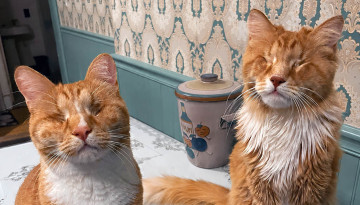
Researchers at the College of Veterinary Medicine and the Baker Institute of Animal Health have documented the first molecular characterization of Marfan syndrome, a rare inherited disorder that weakens connective tissues, in domestic cats.
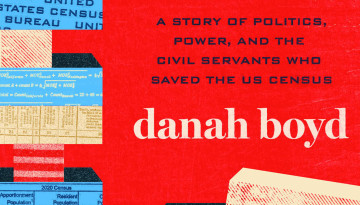
A new book, “Data Are Made, Not Found,” from danah boyd, professor of communication, is an insider’s account of the 2020 census and how the pandemic and political forces from left, right and center threatened to take it down like a Jenga tower.
Investing in cooling for Bangladesh’s apparel factories can be commercially viable, with an average payback period of one to four years, according to new research from the ILR School's Global Labor Institute.
Chronic stress may contribute to the pain and urinary symptoms experienced by people with interstitial cystitis/bladder pain syndrome by triggering changes in the bladder and nervous system, according to Weill Cornell investigators.
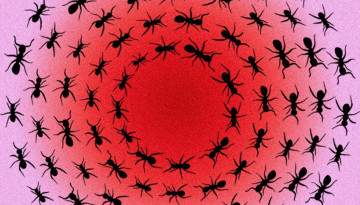
Study reveals how a few very general constraints can lead to echo chambers – self-reinforcing feedback loops – in biological systems such as birds in a flock, cells in tissue or ants in a swarm.
A Cornell-led study finds that wines made from disease-resistant grape varieties, long dismissed by traditionalists, appeal to consumers as much as those made from classic European grapes.
Cornell faculty are invited to apply for Global Hubs Research Seed Grants by Oct. 14 to launch new international collaborations with researchers at Global Hubs partner universities.
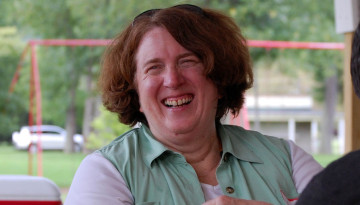
Barbara Finlay, the W.R. Kenan, Jr. Professor of Psychology Emerita and an award-winning scholar who challenged traditional thinking regarding psychology and brain function, died Sept. 12.
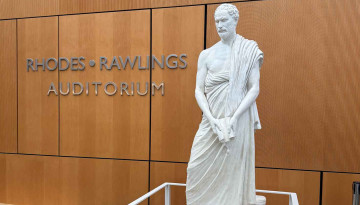
An Arts Unplugged event, “2,500 Years of Democratic Speech,” will offer a chance for students, faculty, staff and community members to perform key public speeches from antiquity and modernity on enduring questions of democratic life.