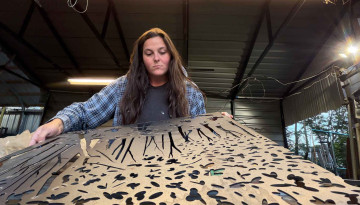
Sweetman ‘08, artist and owner of Agrisculpture, is the guest of the October Startup Cornell podcast. Sweetman creates metalwork sculptures that use antique farm equipment and are informed by nature. She’s the artist behind the Apple sculpture on the Ithaca Commons and recently created a piece as a memorial to the fallen heroes of Ukraine.
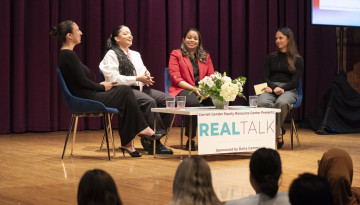
Themed “Finding Your Inner Strength,” REALTalk 2026 will feature two IRL School alumnae who will share their experiences managing self-doubt, unexpected setbacks or an uncertain path forward.
Researchers proposed a novel way to manage the increased demand for electricity by data centers: a credit market that would allow centers that are facing required cutbacks to pay flexible energy users to take on their obligations when the grid is strained.
An experimental opioid painkiller designed to be reversibly switched on and off with different light frequencies may eliminate the dangerous side effects of current opioids, according to a study co-led by Weill Cornell medicine researchers.
The work is paving the way for hybrid optical-electronic systems that could reduce the energy and computational resources required for AI-driven image analysis and other visual inference tasks.
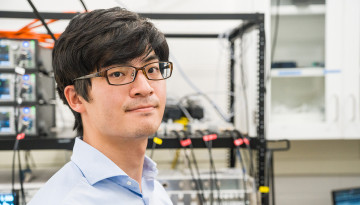
Kenji Yasuda, assistant professor in the School of Applied and Engineering Physics, was honored for his work with stacks of atomically thin materials that host emergent quantum phenomena.
Eight employees across Cornell Research and Innovation were recognized Sept. 23 as part of the inaugural Research and Innovation Staff Excellence Awards.
Public policy and sociology professor Matthew Hall will examine examining aging populations and their impact in the Phi Beta Kappa Distinguished Lecture Oct. 28.
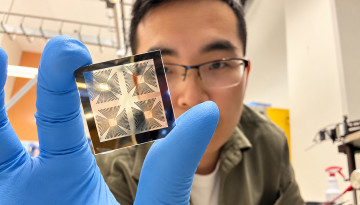
Set within a 3-millimeter area on a chip, the new device produces hydrogen gas bubbles on a grid of electrodes, then powers the bubbles up with acoustic energy through ultrasound.
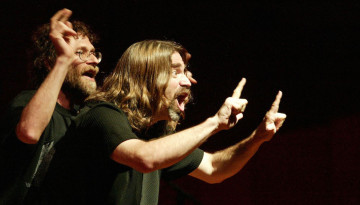
Smoke dancers, American Sign Language poetry and explorations of endangered languages will highlight a series of events Oct. 15-Nov. 6 that celebrate the importance of language throughout U.S. history.