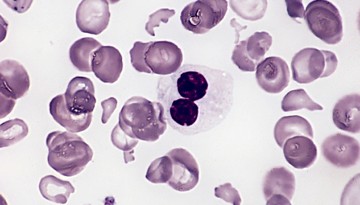
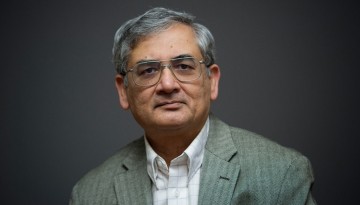
A team led by Dr. Samie Jaffrey, the Greenberg-Starr Professor of Pharmacology at Weill Cornell Medicine, has been awarded a three-year, $1.65 million grant for RNA research under a biotechnology-development program run by the U.S. National Science Foundation.
Student teams from eLab, Cornell’s student startup accelerator, and the Jacobs Technion-Cornell Institute Runway Startups program will pitch their startup ideas March 28 at San Francisco’s Autodesk Gallery.
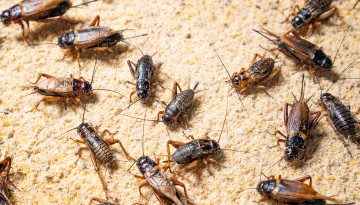
Eating flours, burgers and fitness bars made from crickets, mealworms or black soldier fly larvae could help feed a growing global population sustainably, but it might hit resistance from those who follow halal or kosher regulations.
Businesses and society can benefit when leaders keep both personal and companywide values in sight, according to speakers at the seventh annual SC Johnson College of Business Faculty Panel.
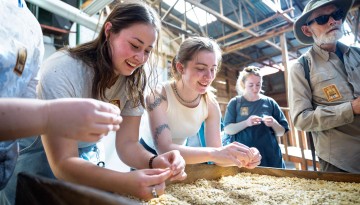
Global development students got hands-on experience with topics from labor conditions to trade policies and the production of specialty crops such as flowers, pineapples and coffee.
Eight projects have been selected from the Fall 2023 application cycle to receive Ignite Innovation Acceleration grants. The grants are designed to help project teams pursue licensing, form startups, and forge industry collaborations.
Following their co-taught Mellon seminar, Cornell faculty Akcan and Dadi announce the release of their edited volume of essays on the art and architecture of partitions, migrations, arrivals, experiences, and global conditions from the 20th century to the present.
Members of the Weill Cornell Medical College Class of 2024 learned on national Match Day where they will be doing their internship and residency training – setting the stage for the next several years of their medical careers and lives.
Feline-centric chatbot connects cat owners with credible, science-based information in a novel way. Users can ask the chatbot questions, get to the answers quickly and ask follow-up questions – or even play games.
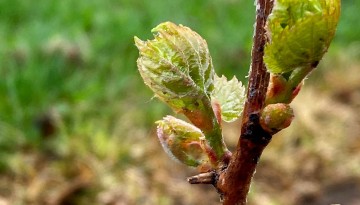
A new Cornell-developed computer model that estimates the temperatures that cause freeze damage in a dozen grape cultivars can help growers plan for the season when damage does occur.