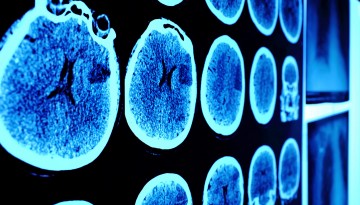
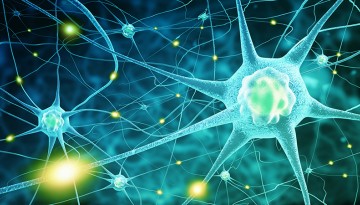
Cornell BrAIn, initiated and led by the College of Arts & Sciences, will host a two-day symposium Dec. 9-10, bringing together innovators in Artificial Intelligence (AI) and neuroscience.
A livestock genome repository of living stem cell cultures could preserve livestock diversity to ensure sustainability and resilience in the face of climate change.
C’Dots, silica-encased nanoparticles developed in the lab of engineering professor Ulrich Wiesner, have just begun their first therapeutic human clinical trial. They’re being further developed by Elucida Oncology Inc., a company co-founded by Wiesner.
Cornell is launching a bold new initiative in artificial intelligence that will expand faculty working both in core areas, as well as the nearly unlimited domains affected by advances in AI.
Pound for pound, the brain consumes vastly more energy than other organs. Now, researchers at Weill Cornell Medicine have found that the process of packaging neurotransmitters may be responsible for this energy drain.
Vanessa Bohns, a social psychologist and professor of organizational behavior at the ILR School, says there are ways – starting with intentional rest and recovery – to recalibrate after nearly two years of a pandemic-induced, always-on work mindset.
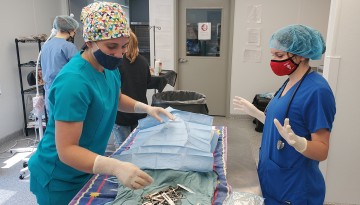
FARVets, a nonprofit run through the College of Veterinary Medicine to address animal overpopulation with spay-neuter clinics and vaccinations, has extended its reach in New York state as it has had to limit international programming because of the COVID-19 pandemic.
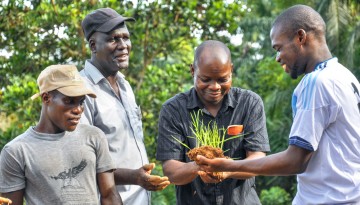
A Cornell program is playing a key role in a project to make rice more resilient to climate change and increase production in West Africa, thanks to a four-year, $14 million grant from the Adaptation Fund.
A gene mutation linked to Alzheimer’s disease alters a signaling pathway in certain immune cells of individuals with the disease, according to a new study by scientists at Weill Cornell Medicine.
The nine undergrads will be arriving on campus through December, thanks to robust international and cross-campus collaborations. Cornell has pledged support until they graduate.