Ben Leff ’16 and government professor Peter Enns are co-founders of Reality Check Insights, a company that delivers data insights related to people’s attitudes, preferences and behaviors to media organizations, political groups and others.
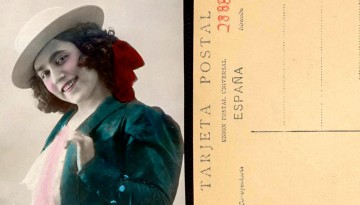
With a grant from the Society for the Humanities, Julia Chang has developed an online game with an undergrad computer science researcher, based on her research on disability in modern Spain. The game will launch during an online event June 2 at 2 p.m.
About 12,000 bacteria and viruses collected in a sampling from public transit systems and hospitals around the world from 2015 to 2017 had never before been identified, according to a study led by Weill Cornell Medicine investigators.
An anonymous gift will improve grapevine health, quality, yields and profitability in the New York state wine and grape industry through the creation of a graduate student research fellowship program.
The Cornell China Center has announced six new grant awards, totaling $140,000, to support research by Cornell faculty teams partnering with researchers in China.
President Martha E. Pollack denounced recent national and local acts of anti-Semitism and called on the Cornell community to be guided by the university’s core values.
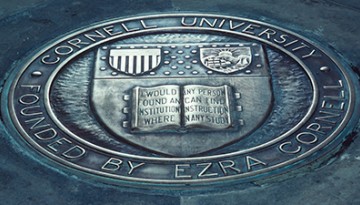
Cornell was founded on the principle of “… any person … any study,” and today more than ever, that means celebrating students of all lived experiences and identities – including undocumented students.
When Corey Ryan Earle ’07 began teaching the Cornell history course The First American University, he had several goals, including giving students a deep understanding and shared appreciation for Cornell’s uniqueness and many pioneering “firsts.” But he didn’t anticipate that 10 years later, the course would create a multigenerational, international community, thousands strong, connected by their ties to the university.
Several alumni of the Cornell Tradition program – created and funded by Chuck Feeney ’56 and The Atlantic Philanthropies – reflect on its mission, how it shaped their Cornell experiences, and how its values have informed their lives and careers after graduation.
The rich holdings of Cornell University Library support Cornell scholarship and attract researchers from all over the world. These rare and distinctive collections (lovingly referred to as “RAD” collections) also resonate deeply with the library’s own staff – speaking to their interests and passions and often evoking personal recollections.