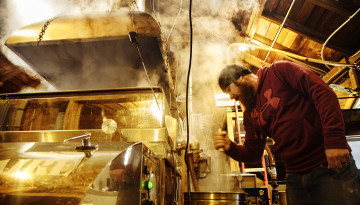
A new low-cost, do-it-yourself method allows maple syrup producers to cool and hold sap before boiling, giving greater flexibility and preventing all-nighters.
State laws that ban insurance prior authorization for buprenorphine, used for opioid use disorder, may not help more patients stay in treatment for the recommended 180 days, Weill Cornell Medicine researchers report.
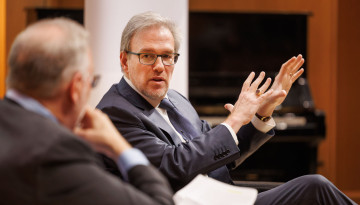
A live and online audience of nearly 1,000 tapped into an ongoing conversation between Bret Stephens and Seth Klarman about media, democracy, education and the nature of debate.
On March 12, the Provost’s Committee on the Future of the American University will host Ted Mitchell, the president of the American Council on Education, for a discussion on how institutions can break free from entrenched systems and reimagine their role in serving students and society.
Harkavy Hall on West Campus will house the Steven K. and Winifred A. Grinspoon Hillel Center for Jewish Community at Cornell, currently located at Anabel Taylor Hall.
New York Times White House correspondent Zolan Kanno-Youngs will share insights about his work covering immigration, homeland security, criminal justice and inequality in an event March 17 with Dean Peter John Loewen.
To help the son of an alum and thousands of people in need of life-saving intervention, Cornell is hosting a stem-cell cheek swabbing campaign March 13-20 across the Ithaca campus.
A machine-learning model developed by Weill Cornell Medicine investigators may provide clinicians with an early warning of a complication that can occur late in pregnancy.
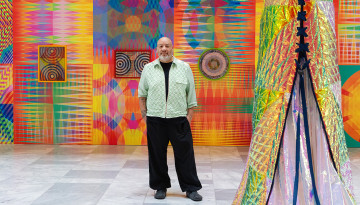
Artist Jeffrey Gibson, whose immersive work explores ideas around belonging, will give a public talk March 24 as the spring 2026 Cooper Visiting Artist Lecture Series speaker at the College of Architecture, Art and Planning.
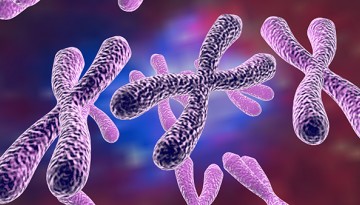
Research finds that chromosomal inversions – which occur when a chunk of chromosome containing tens to thousands of genes breaks off, flips and reattaches – help certain species maintain genetic differences adapted to various regions.