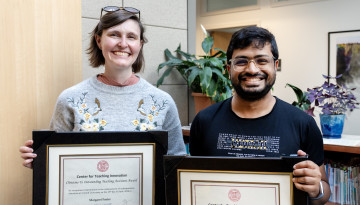
This year's University-Wide graduate teaching conference celebrated excellence in teaching, recognizing Margaret Foster and Naman Agrawal with the Cornelia Ye and Christine Ye Awards for Outstanding Teaching Assistance.
A two-semester collaboration between the Cornell AI Innovation Hub, graduate students and the Cornell Treasury Operations team transformed a time‑consuming, manual investigation process into a tool that helps staff process cryptic payments.
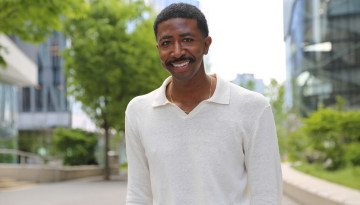
During nine years in the United States Marine Corps, Harold Reed was responsible for complex systems, high-stakes decisions, and the people behind them.
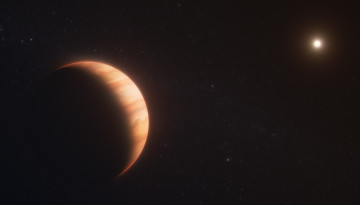
Using James Webb Space Telescope observations, Cornell astronomers show that WD 1856 b, a planet that survived its star’s death, migrated later and has methane-rich atmosphere.
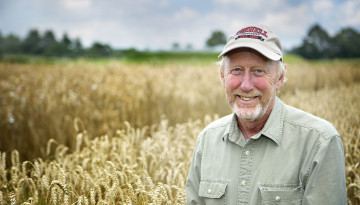
Led by Mark Sorrells and decades of innovation and collaboration, Cornell's small grains breeding program has developed higher-yielding, pest- and disease-resistant grain varieties that have strengthened the agricultural industry in New York state.
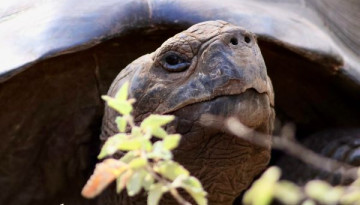
The CCF provides catalytic seed funding to spark pioneering applied research to advance wildlife conservation solutions. The fund prioritizes initiatives that improve the health of free-ranging wildlife and/or solve environmental problems via a One Health lens.
Doctoral students Divyanth Loganathan Girija and Sumit Sharma were selected for the 2026-2029 Foundation for Food and Agriculture Research Fellows Program.
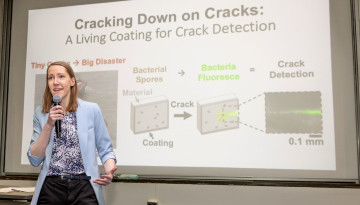
Cornell 2026 Three Minute Thesis (3MT) winner Ellen van Wijngaarden, Ph.D. '26, won first place in the Ivy+ 3MT, where she competed against students representing eight peer institutions.