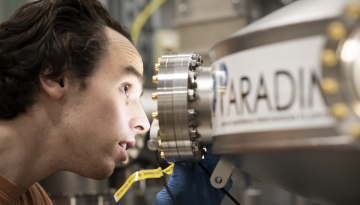
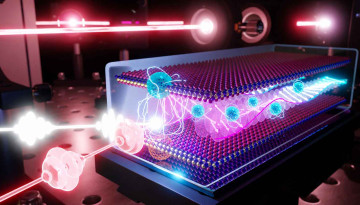
A late-night “Eureka” moment, a smashed computer and 17 years of persistence led researchers to achieve what many in microwave electronics had long considered out of reach: a tunable, low energy loss class of dielectric materials.
The 16 grants are the most the SPROUT program has awarded in a single cycle and support a broad range of promising projects in AI, medicine, semiconductors, sustainability and more.
Cornell Atkinson hosted its first executive education program – the Resilient Futures Leadership Program: Financing Sustainable Agriculture – with partner Field to Market. The successful program will be offered twice more over the next two years.
The 2026 Jiang Fellows have accepted internships and will spend the summer gaining firsthand entrepreneurial experience through the Duffield College of Engineering program.
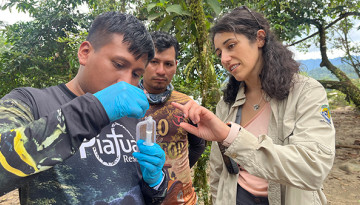
A Cornell graduate student and indigenous Ecuadorian partners are sampling eDNA in Amazonian riverways to understand how gold mining and other human disturbances impact aquatic biodiversity and ecosystem health.
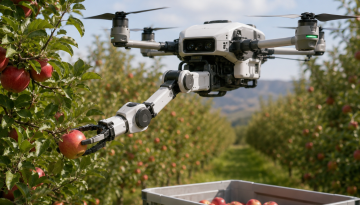
Thirteen Cornell students will spend the summer advancing new technologies for agriculture after receiving 2026 Research Innovation Fund awards from the Cornell Institute for Digital Agriculture.