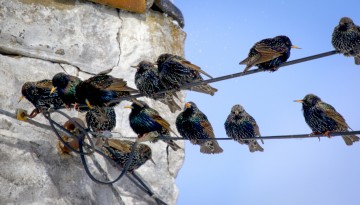
A new study examines what happened at the genetic level as the nonnative starling population exploded from just 80 birds in 1890, to a peak of 200 million breeding adults in North America.
Cornell and WWF will host a virtual conference Feb. 23 focused on the link between humans and wildlife, and the subsequent prevention of future pandemics.
As CCSS fellows, a dozen faculty members representing seven colleges and schools will pursue ambitious research projects on issues ranging from political polarization to environmental justice.
The seminar explores the ways in which women, people of color and others have been marginalized in science, technology, engineering and mathematics and how to address exclusion.
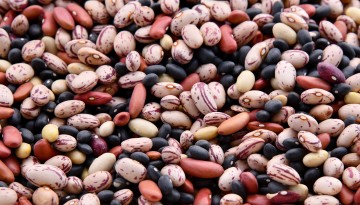
New research from Elad Tako, associate professor of food science, shows that iron and zinc in biofortified foods, such as beans and wheat, can improve the health of gut bacteria and reduce the risk of malnutrition.
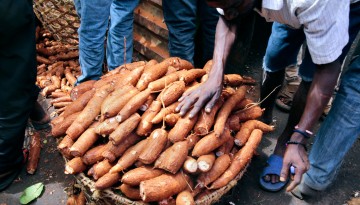
A $2.65 million gift to support Cornell and partner research in Tanzania will improve distribution of new and more resistant varieties of cassava while empowering women and marginalized groups in the East African nation.
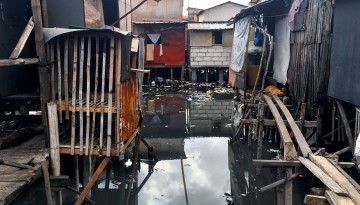
In coastal regions of the Philippines, ties to the community motivate most people to stay in their homes despite the risks of frequent, severe floods, Cornell research finds.
Cornell wind energy scientists have released a new global wind atlas – a digital compendium filled with documented extreme wind speeds – to improve turbine placement.
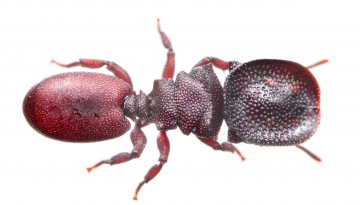
Gut bacteria in a species of herbivorous ant play a major role in processing nutrients that allow the ants to build tough exoskeletons, an international team of researchers has found.