Cornell plant breeders and geneticists, who’ve played a significant role in the improvement of the potato, are expanding their efforts as they make more wild potato seeds available to breeders around the world.
Eighteen Cornell doctoral students from 13 fields of study have received 2019-20 Engaged Graduate Student Grants to support community-engaged research relevant to their dissertations.
Approximately 30 faculty members gathered May 15 in the Biotechnology Building to share lessons learned after teaching in the Canvas management system for the Spring 2019 semester.
Rafe Pomerance ’68, who played an early, pivotal role in raising awareness about the threat of climate change, will participate in a June 8 Reunion panel, “Challenges and Opportunities for Reducing Climate Risks.”
Grow-NY, announced May 31 by New York Gov. Andrew Cuomo, will be one of the largest food and agriculture business competitions in the nation, supporting innovative startups in food production and agriculture.
The Atkinson Center is awarding more than $1.3 million in seed grants to support roughly a dozen interdisciplinary research collaborations at Cornell that address key sustainability challenges.
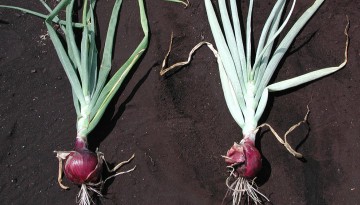
A common onion pest was wreaking havoc on New York state onion crops, but Brian Nault of Cornell AgriTech developed a science-based strategy that has decreased pesticide use and improved onion quality.
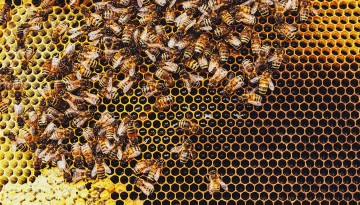
A new book describes the biology and behaviors of wild honeybees and takes lessons from nature to inform small-scale beekeepers on how to manage their hives to better face modern challenges.
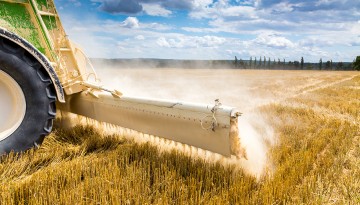
New research from Ariel Ortiz-Bobea, Toby Ault and Carlos Carrillo in Environmental Research Letters looks at how heat stress remains the primary climatic driver of lower future agriculture yields under climate change.