Cornell food scientists have found that people with a diminished ability to taste food choose sweeter – and likely higher calorie – fare. This could put people on the path to gaining weight.
One of Cornell’s Titan arums – a rare plant also known as a corpse flower for the deathly odor it produces at flowering – has broken dormancy and is preparing to bloom this summer on campus.
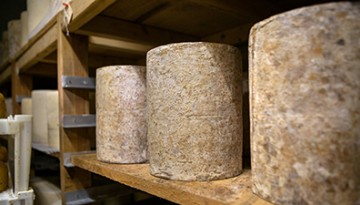
Cheesemakers large and small from across the Northeast have turned to CALS' Food Processing and Development Laboratory for small-batch production and dairy expertise as they develop new recipes.
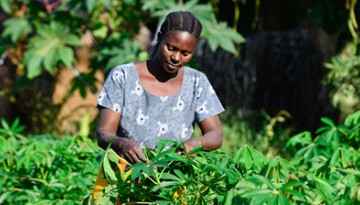
Ph.D.-level plant breeders now come from 16 countries in West Africa, where Cornell contributes to educating them as the next generation of plant breeders in Africa.
Technological advances making it possible to image micronutrients in plant tissues are giving Cornell scientists additional tools to develop crops that thrive in marginal soils.
Cornell hosted a recent conference where students, faculty and staff from various institutions shared experiences, practices and research in the growing field of intergroup dialogue.
For the third year, Cornell is holding ComSciCon-Cornell, a science communication workshop organized by graduate students, for graduate students and postdocs July 14 and 22.
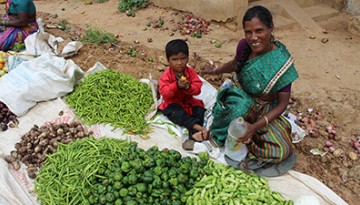
Agricultural economist Prabhu Pingali says India should fight its population's malnutrition by subsidizing more nutritious foods, like legumes, millets, fruits and vegetables, rather than only staple grains like rice and wheat.