Researchers at Cornell have developed a strain of maize with a high iron bioavailability, meaning more of the iron that is present naturally in these maize lines can be absorbed.
Cornell's Imaging Facility facility has added two state-of-the-art machines, one to extract tiny samples for genetic analysis and another to image fast microscopic events.
People who love the natural areas of the Finger Lakes region and who care about preserving them might consider joining Cornell Plantations' Natural Areas Academy.
Entomologist Elson Shields, who spearheaded biocontrol ways to control the alfalfa snout beetle, will receive the Entomological Foundation Award for Excellence in IPM.
Eight students and a professor spent 10 days in Ghana over winter break, talking to women about their concerns for their communities. The findings will help shape future service trips to Ghana.
Cornell Forensics Society members regularly meet with incarcerated youths in two Ithaca-area prisons to share debate and critical-thinking skills and help them talk through issues.
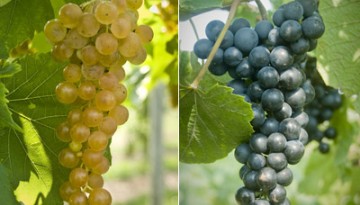
After a naming challenge drew 1,100 suggestions from around the world, a Cornell breeder has revealed the secret identities of two new wine grapes - Arandell and Aromella.