Horticulture graduate student Bryan Sobel went to Rwanda to help women learn to cultivate mushrooms, a crop that can help the genocide-ravaged nation recover.
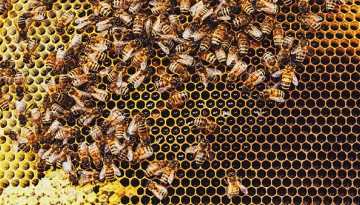
Northeastern bees have suffered population declines over the last 140 years, largely due to human encroachment, but none has faced a more devastating collapse than the humble bumble bee.
Consumers are more likely to perceive a candy bar as more healthful when it has a green calorie label compared with when it has a red one - even though the number of calories is the same.
To address inequality and the environmental crisis facing the world today people should pull together rather than compete against each other for individual gain, two faculty members urged in a Feb. 28 lecture.
Sonny Ramaswamy, director of the U.S. Department of Agriculture's National Institute of Food and Agriculture, spoke about food and research on campus March 7.
Fredrik Logevall, the John S. Knight Professor of International Studies and director of the Mario Einaudi Center for International Studies, will succeed Alice Pell, effective July 1.
The $85 billion in automatic, across-the-board federal spending cuts that went into effect March 1 - the sequester - may eventually cost Cornell $28 million universitywide.