A student-run organization, Cornell's Diversity Admissions Ambassadors help historically underrepresented groups learn about, apply to and thrive at Cornell.
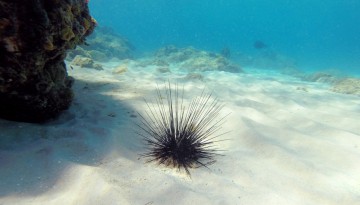
Scientists have discovered that a parasite is behind a severe die-off of long-spined sea urchins across the Caribbean Sea, which has had devastating consequences for coral reefs and surrounding marine ecosystems.
Youth in the United States are targets of cross-platform digital abuse from peers, strangers, offline acquaintances and even relatives, with threats ranging from harassment and sexual violence to financial fraud, according to a new collaborative study and call-to-action from Cornell and Google researchers.
The new CALS Navigator program supports undergraduate students in the transition from high school or a transfer college to Cornell and through graduation
Cornell AgriTech and extension representatives made suggestions regarding the next federal farm bill to congressional leaders at a two-hour listening session at the Broome County office of Cornell Cooperative Extension.
With a $3 million National Science Foundation grant, Cornell researchers are creating a new approach to architecture by learning how plants and animals form internal structures.
In 2022-2023, the Center for Teaching Innovation awarded five Innovative Teaching & Learning Awards to Cornell faculty. With a goal of facilitating vibrant, challenging, and reflective learning experiences at Cornell, these awards sponsor projects across the colleges that explore new tools and emerging technologies, approaches, and teaching strategies. CTI is now accepting pre-applications for the 2023-2024 Innovative Teaching and Learning Awards – the deadline is April 17.